Landscapes close together
The Arabian Sea, lakes and canals sit west of the Western Ghats. The changes are striking, but winding roads still make transfers substantial.
 Plan Your Trip →
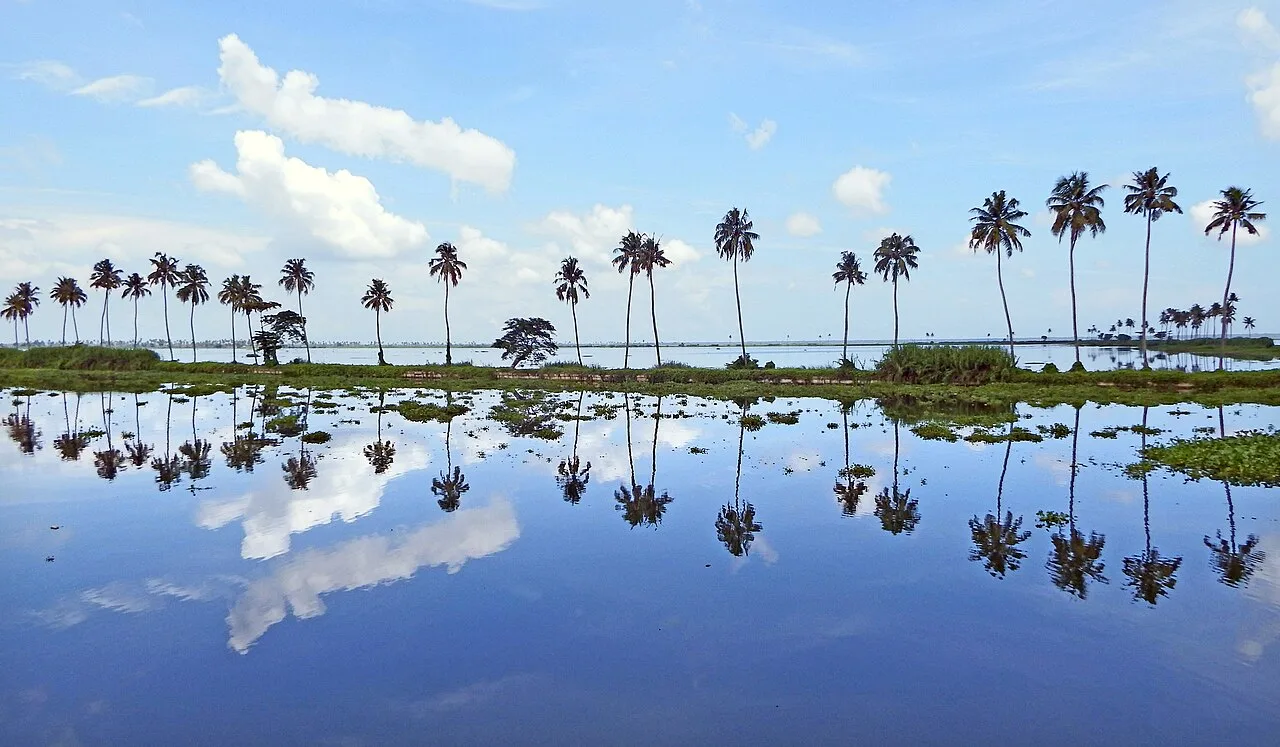
A World Within India
From peaceful backwaters and lush tea-covered hills to centuries-old traditions and unforgettable cuisine, discover the beauty, heritage and soul of Kerala.
Begin exploring ↓Kerala is one of India’s states: a long, green stretch of the southwest coast where waterways, hills and the sea shape everyday life.
Often introduced through the tourism name “God’s Own Country”, it is not a separate country. The phrase evokes Kerala’s scenery and cultural richness, rather than a literal geographical or religious designation.
A first visit can move from a harbour neighbourhood to tea-growing hills and then to a backwater village. Malayalam language, regional cooking and living artistic traditions give these journeys a distinctly local character. Leave room for conversations, a market stop and an unhurried meal: Kerala is more than a checklist of viewpoints.
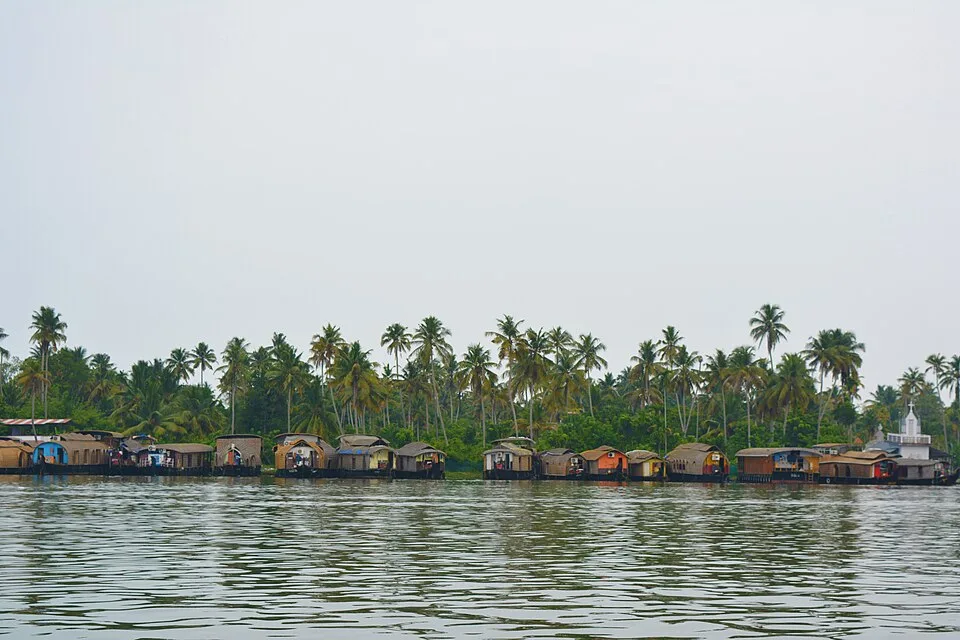
Read more: Kerala at a glance — Kerala Forest Department · Kerala Tourism: visitor essentials
Look towards the lower-left edge of India on a map. Kerala lies on the Arabian Sea, with the Western Ghats rising to the east. Karnataka borders it to the north and northeast; Tamil Nadu lies to the east and south.
Thiruvananthapuram is the capital. Kochi, Thrissur and Kozhikode are other important cities, with different histories and useful travel connections.
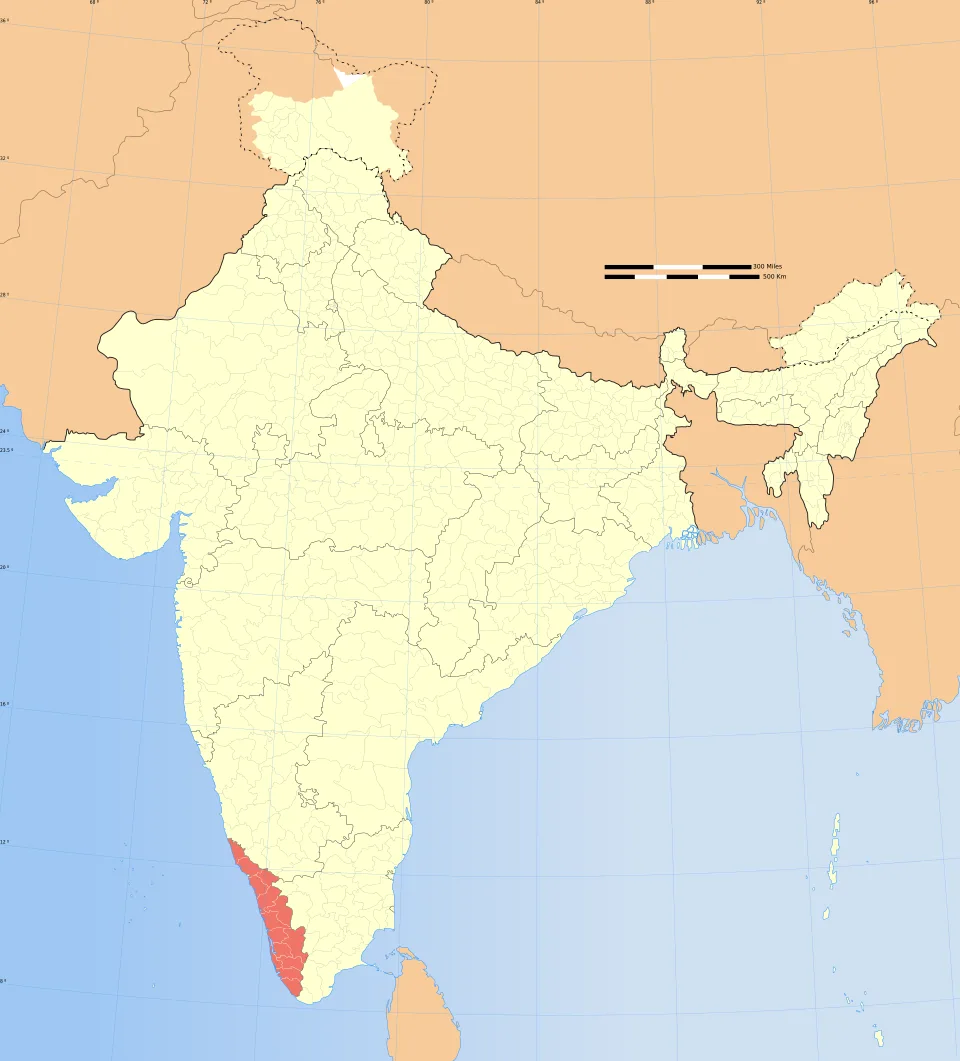
Explore Kerala on OpenStreetMap ↗
Read more: Kerala at a glance — Kerala Forest Department · State profile — Government of Kerala
India’s states are richly varied. Kerala’s appeal lies in a particular combination: a narrow coastal belt, a network of backwaters, forested slopes and plantation country within one state. It offers a different rhythm from a trip centred on northern India’s cities and monuments, without making either experience more “authentic”.
The Arabian Sea, lakes and canals sit west of the Western Ghats. The changes are striking, but winding roads still make transfers substantial.
Malayalam, courtyard houses, sloping tiled roofs, performing arts, local festivals and layered religious histories shape the places you encounter.
Spice-growing, fishing, markets and distinctive cooking connect visitors with working communities. Kerala is also known for high literacy and social-development achievements; these do not make every community or service identical.
Read more: Kerala at a glance — Kerala Forest Department · Kerala statistics, including 2011 Census literacy context · Kerala Tourism: local craft traditions
Long before modern tourism, the Malabar Coast was connected to distant ports by the spice trade. Pepper and other goods moved through maritime networks linking Kerala with the Mediterranean, the Arab world and Asia. Muziris is remembered as a major ancient trading port; the heritage project around Kodungallur and North Paravur interprets this history through sites and museums.
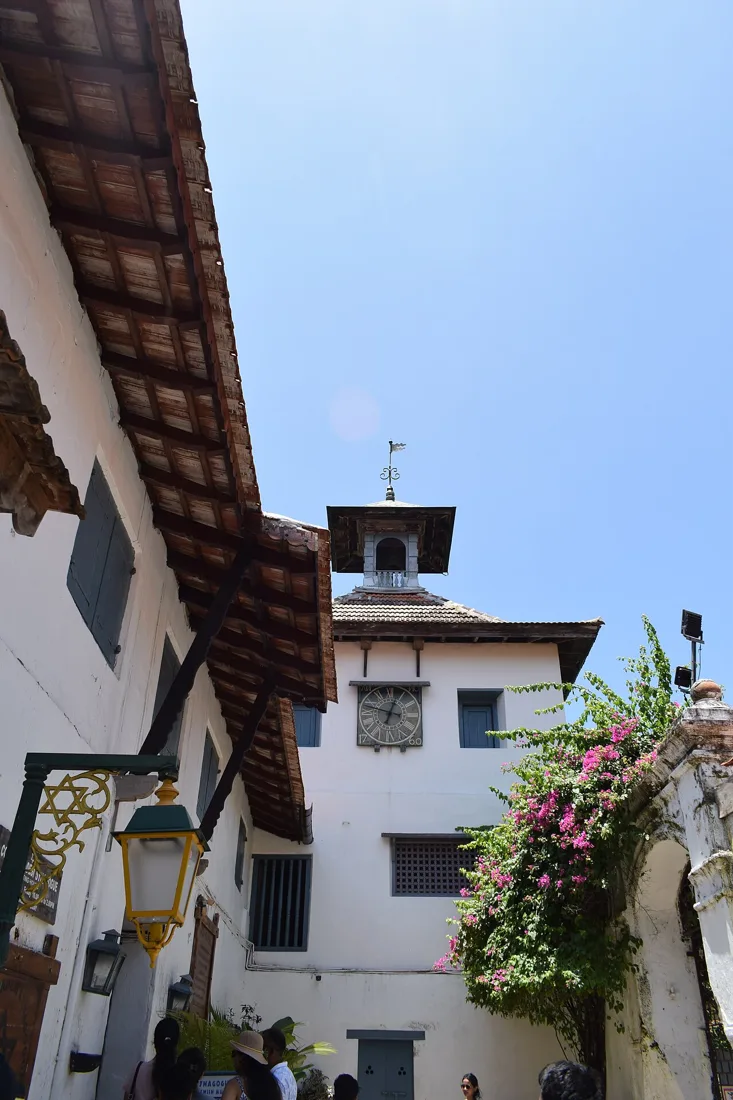
Fort Kochi and Mattancherry reflect trading, migration and colonial encounters, including Portuguese, Dutch and British influence. Temples, churches, mosques and synagogues sit within a wider history of exchange, conflict and adaptation.
Traditional timber work, courtyards and pitched roofs respond to the climate as well as local craft. At religious sites, ask about access, dress and photography rather than assuming that every building is open for sightseeing.
The modern state of Kerala was formed on 1 November 1956, bringing together Malayalam-speaking regions through India’s reorganisation of states.
Read more: Muziris Heritage Project: the spice route · Muziris heritage conservation · State profile — Government of Kerala
Malayalam is central to Kerala’s identity, though English is used in many tourism settings. Life here is both contemporary and rooted in local traditions: busy cities, overseas family connections, village markets and community celebrations all form part of the picture.
Kasavu sarees and the mundu, a cloth worn around the waist, are visible at festivals and formal occasions as well as in daily life. Dress varies by person, community and setting. Hindu, Muslim, Christian and other communities contribute to Kerala’s cultural landscape. A warm welcome is best met with curiosity, consent and respect for privacy.
| English | Say it | Malayalam |
|---|---|---|
| Hello | Namaskaram | നമസ്കാരം |
| Thank you | Nanni | നന്ദി |
| Yes | Athe | അതെ |
| No | Alla | അല്ല |
These are simple starting points. “No” changes with context; “illa” (ഇല്ല) is also common for “there isn’t / don’t have”.
Read more: Kerala Tourism: useful Malayalam · Kerala Tourism: sari and mundu
Start with breakfast. Stay curious until dessert.
Coconut appears grated, pressed into milk and as cooking oil; spices build aroma as well as heat. Vegetarian banana-leaf feasts share the culinary landscape with seafood, meat dishes and Malabar cooking. Recipes vary between homes and communities.
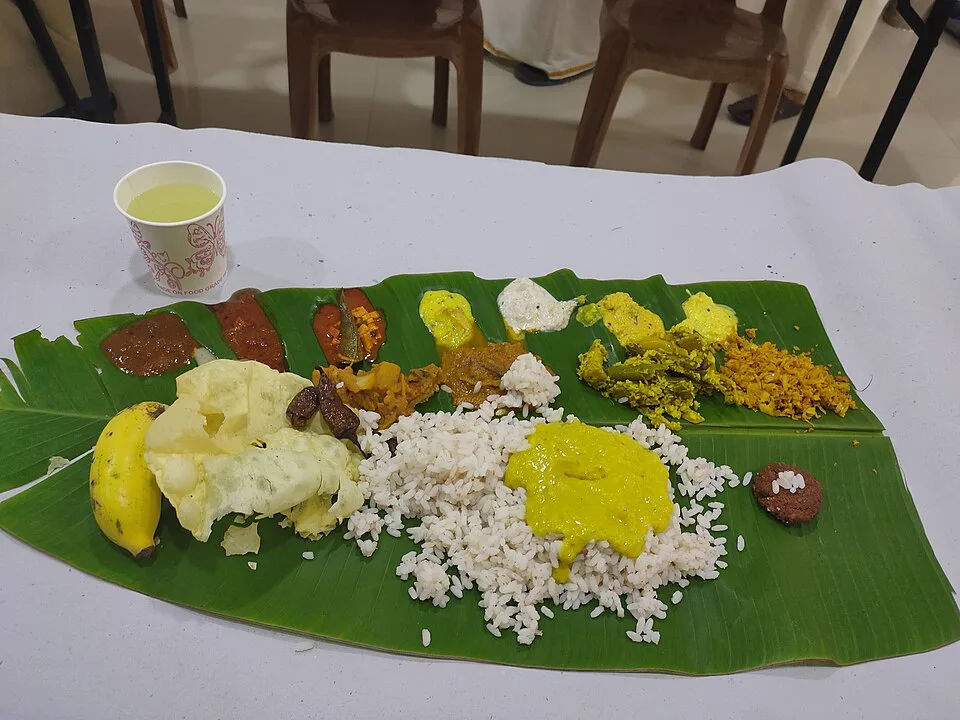
A banana-leaf feast built around rice, vegetable dishes, pickles and a sweet finish. Served at celebrations, it is as much a shared occasion as a meal.
Usually vegetarian; dairy may be present.
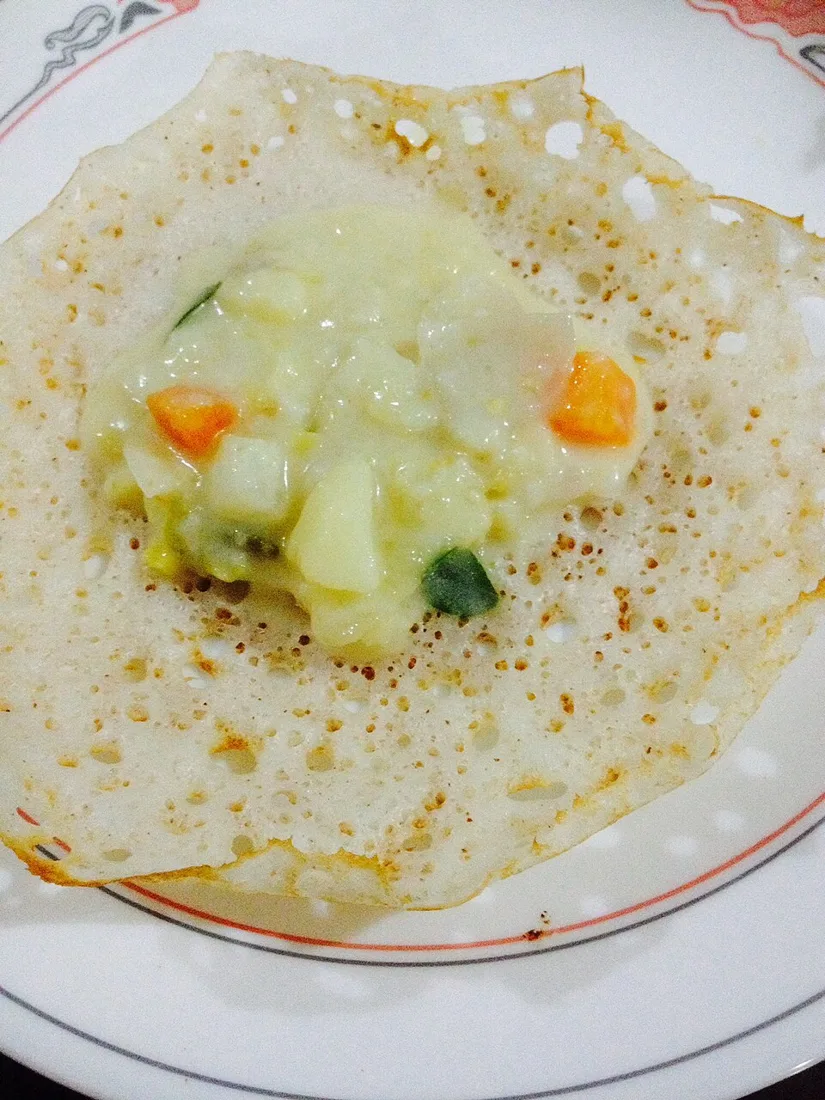
Lacy rice pancakes with a soft centre, often paired with a gently spiced coconut-milk stew. A leisurely breakfast worth making time for.
Ask for vegetable, chicken or other available stew.
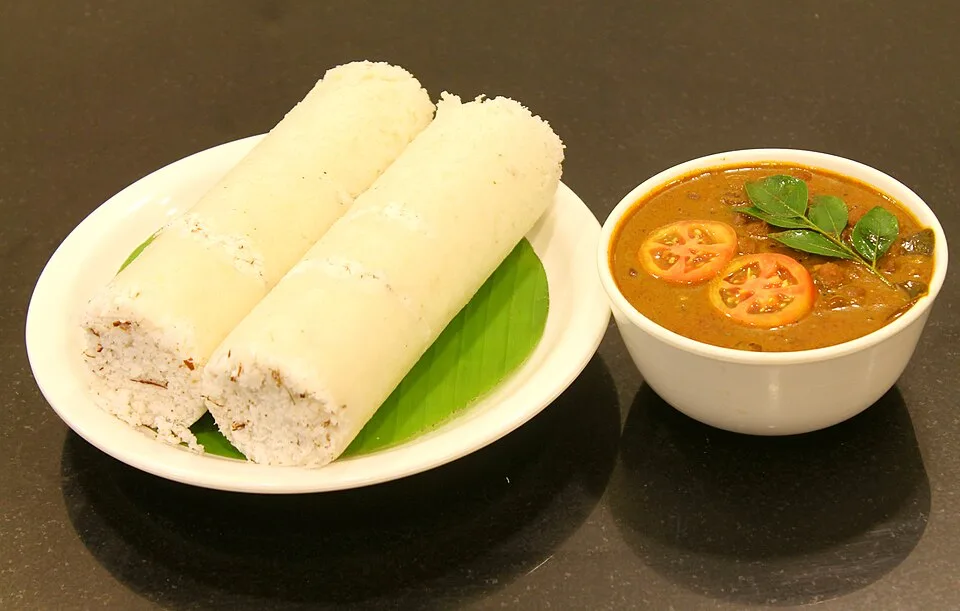
Steamed rice flour layered with grated coconut meets a richly spiced black-chickpea curry. This familiar breakfast balances soft textures with a hearty accompaniment.
Often vegetarian; check preparation.
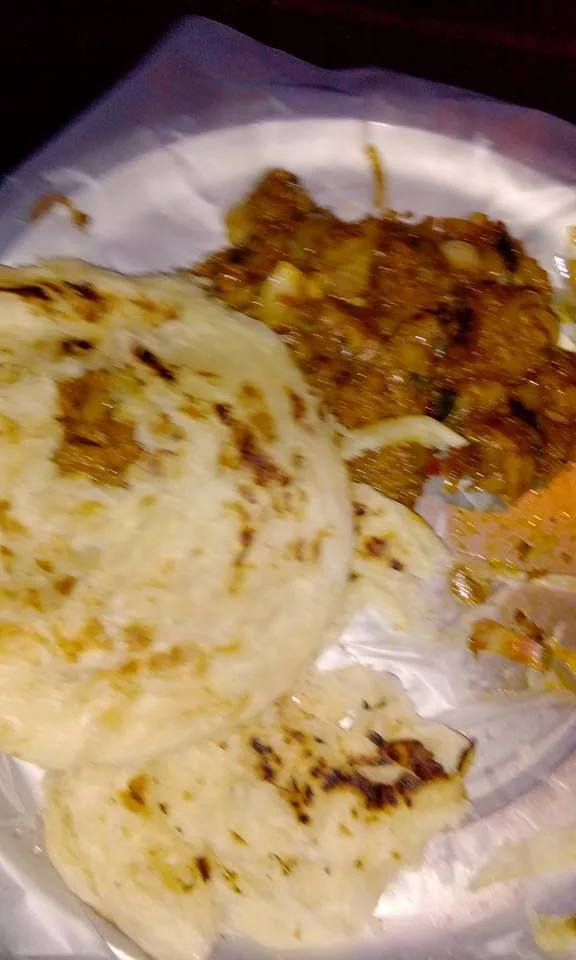
A flaky, layered flatbread, torn by hand and dipped into curry. Kerala kitchens pair it with vegetables, eggs or meat according to preference.
Wheat-based; curry ingredients vary.
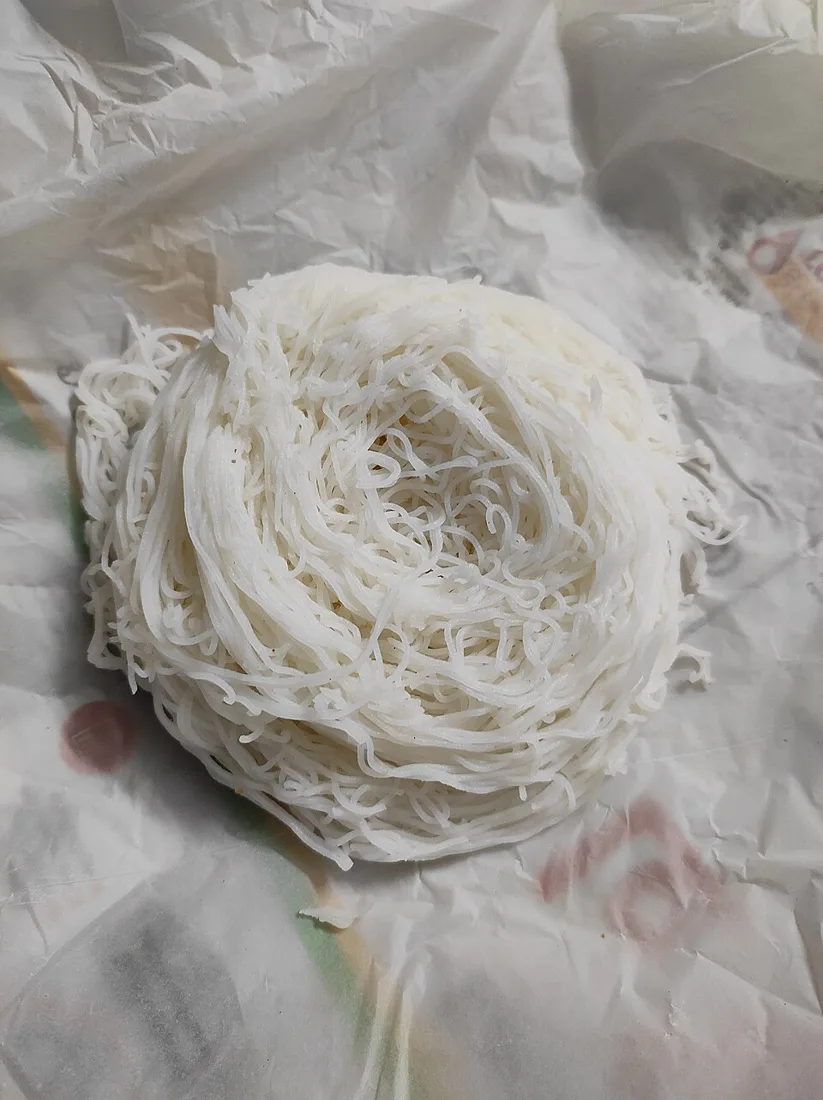
Delicate nests of steamed rice noodles, usually served with stew, curry or coconut milk. Mild on their own, they take on the flavour of their accompaniment.
Check the accompanying curry and shared preparation.
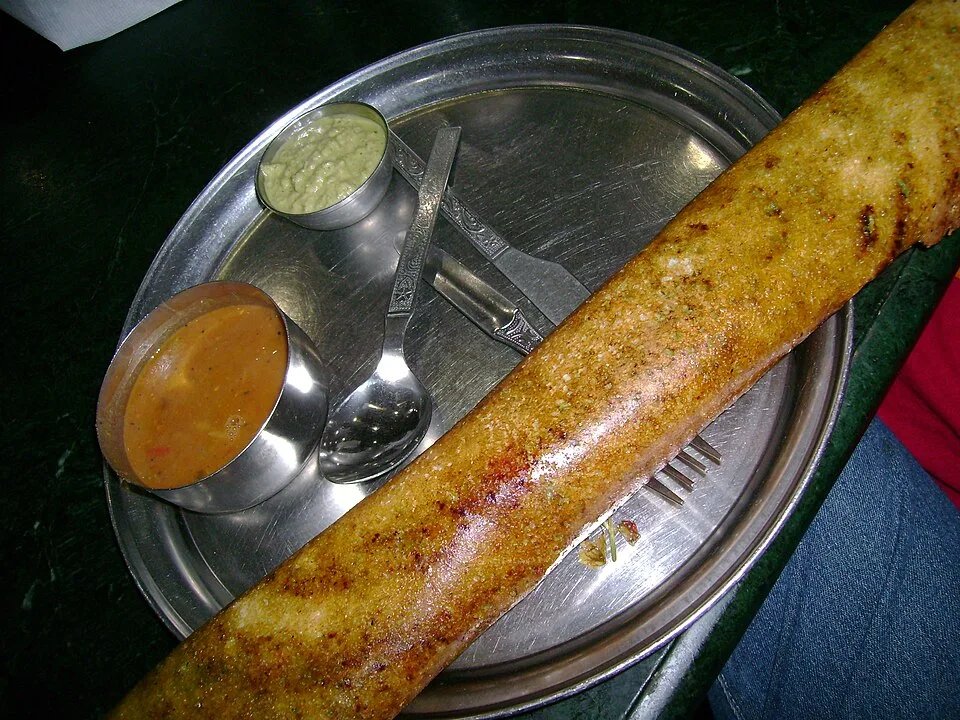
A fermented rice-and-lentil pancake with lentil-and-vegetable sambar and chutneys. Found across southern India, it is a dependable Kerala breakfast choice too.
Ghee and chutney ingredients can vary.
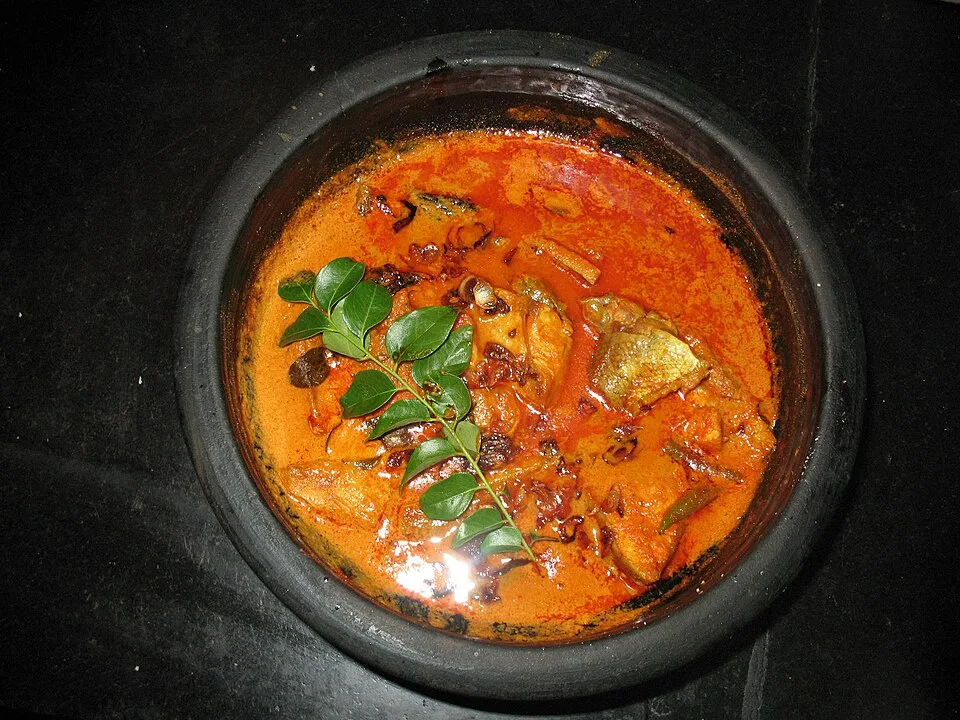
Coastal kitchens prepare fish in many ways: some gravies are red and tangy, others use coconut. Ask what is fresh and how spicy it will be.
Contains fish; watch for bones.
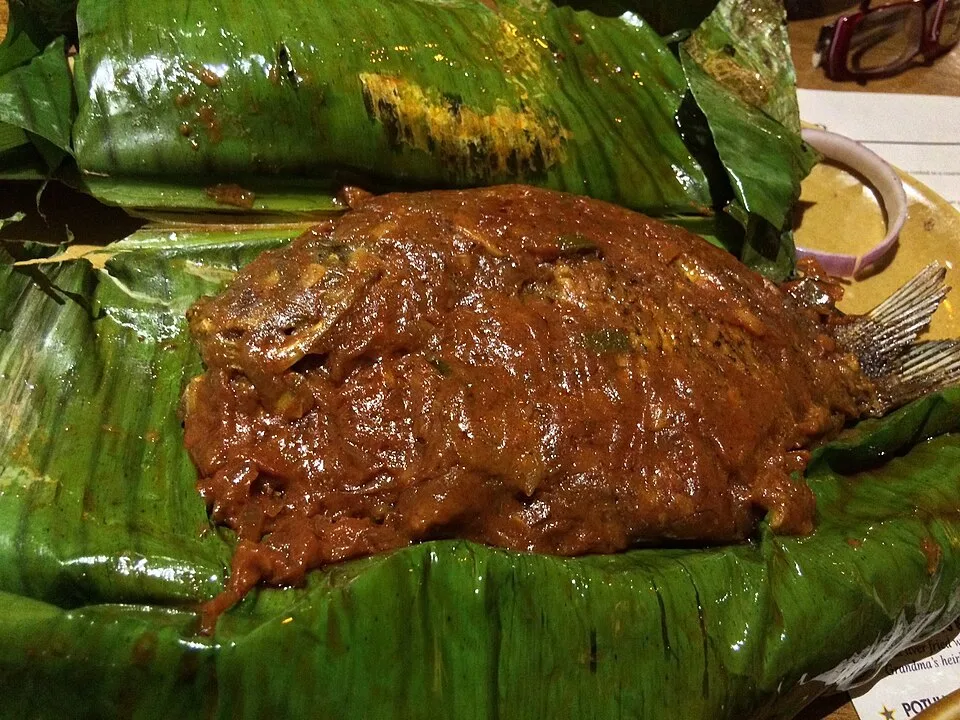
Pearl spot fish is coated with a spice mixture and cooked in a banana-leaf parcel. Unwrapping it is part of the pleasure of a backwater meal.
Contains fish; usually served on the bone.
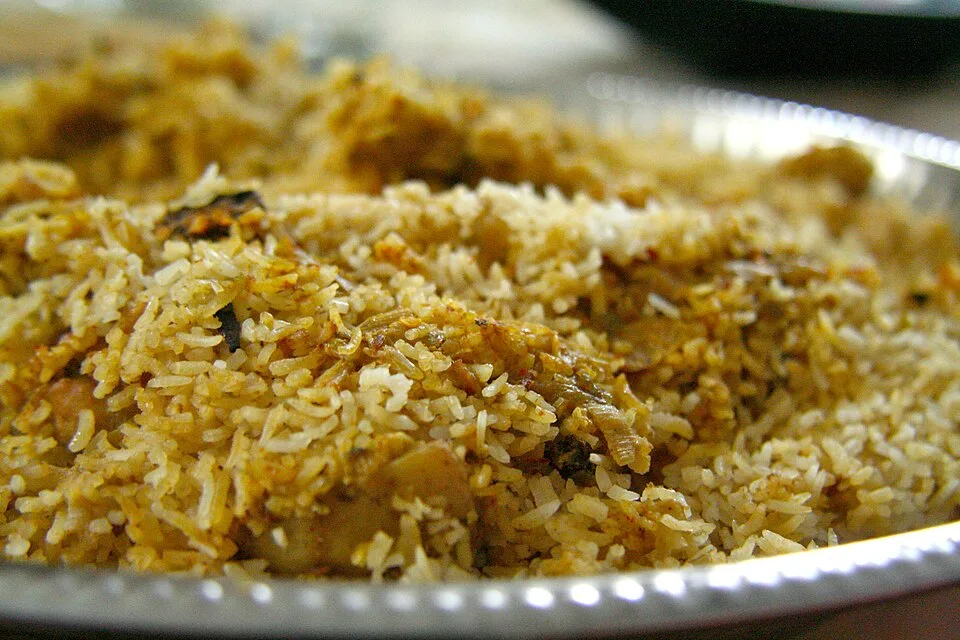
Northern Kerala has its own biryani traditions. Thalassery versions are associated with fragrant short-grain Jeerakasala rice, layered with spices and meat.
Meat, dairy and nuts may be present.
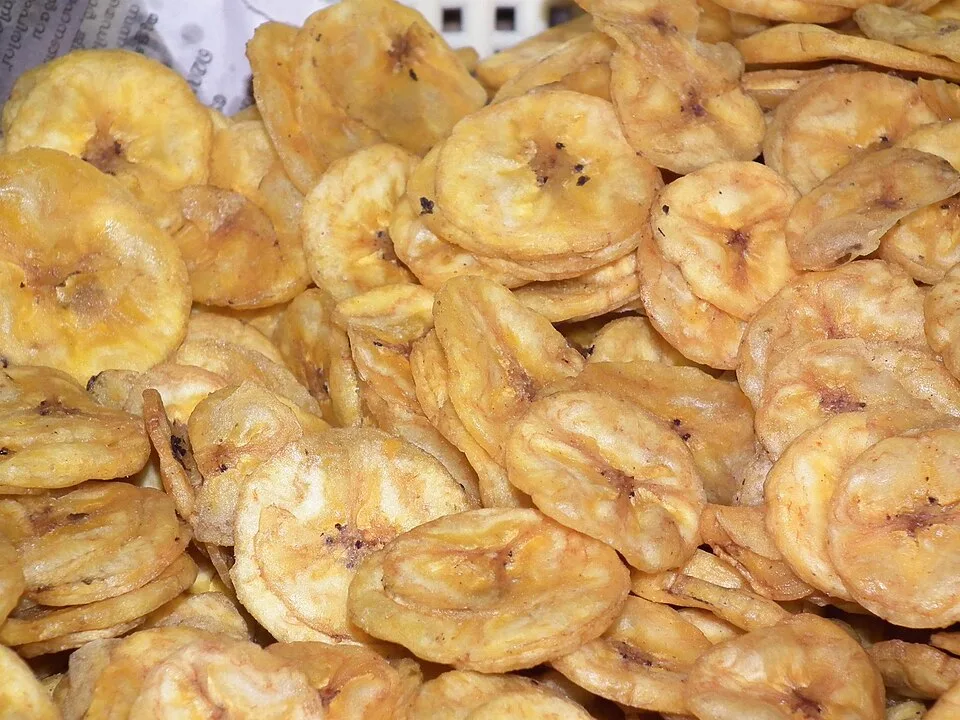
Thin plantain slices fried until crisp, often in coconut oil. Look for small freshly made batches in local bakeries and snack shops.
Ask about oil and shared fryers.
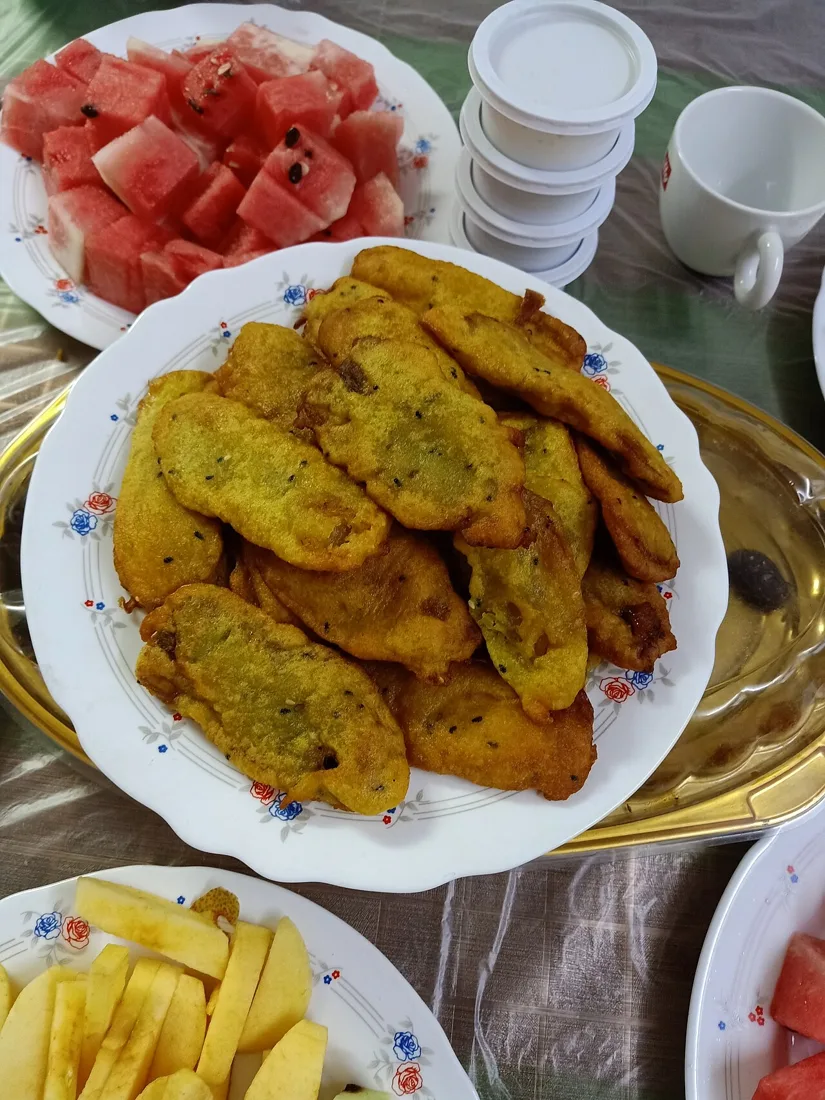
Ripe banana slices dipped in batter and fried: a warm, sweet companion to an afternoon cup of tea. A simple snack with a devoted local following.
Commonly contains wheat; recipes vary.
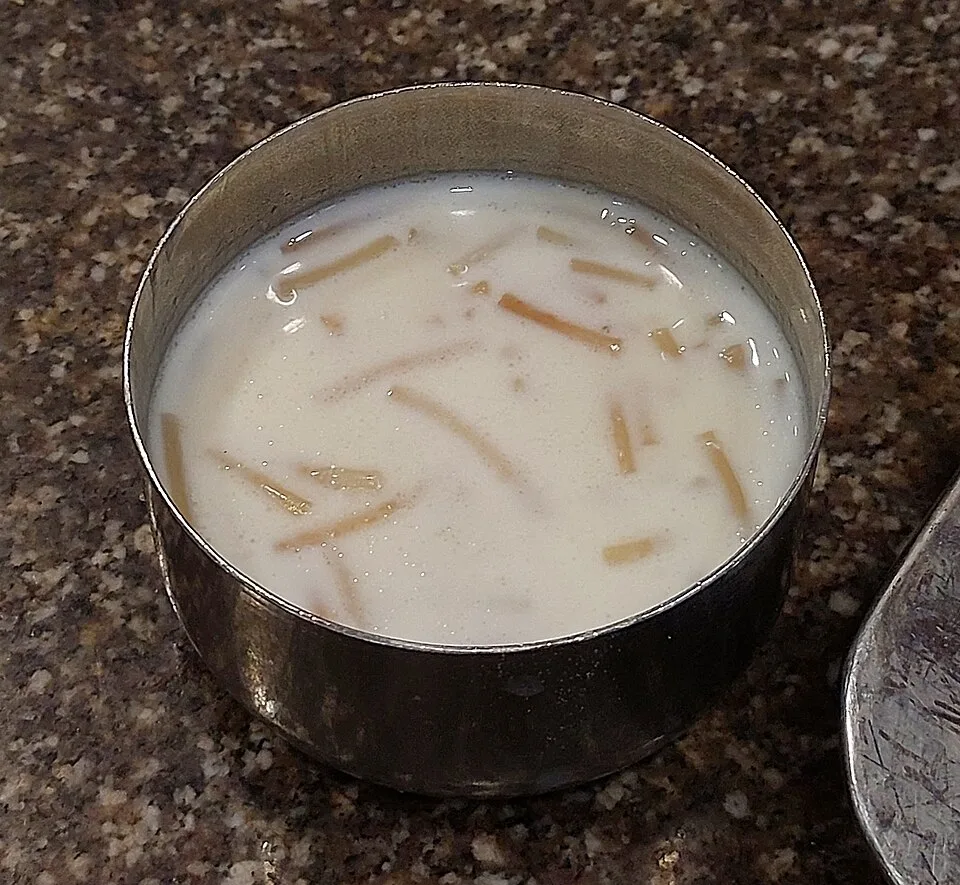
A family of sweet puddings made with ingredients such as rice, vermicelli or lentils. Milk or coconut milk, sugar or jaggery, give different versions their character.
Milk, nuts or wheat may be present.
Read more: Kerala Tourism: regional cuisine · Kerala Tourism: vegetarian dishes · Responsible Tourism: local dishes and food makers · Kerala Tourism: Thalassery dum biryani · Kerala Tourism: Mappila desserts
Kerala’s arts are living practices, not simply holiday spectacles. Some belong to the concert stage; others remain closely tied to worship and community life. A short introduction from a knowledgeable host can transform what you notice.
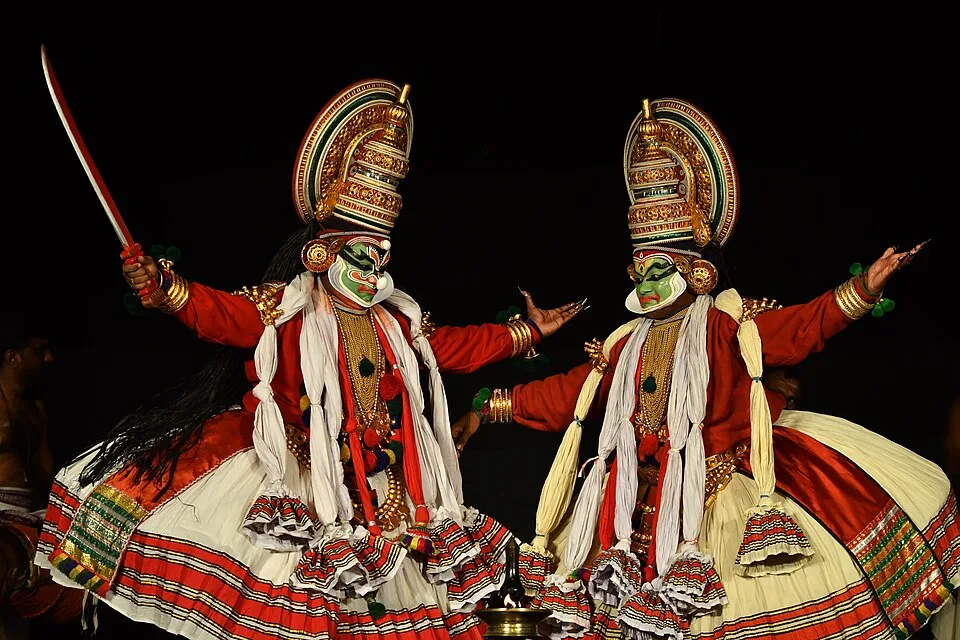
Classical dance-drama uses elaborate make-up, costume, eye movements and hand gestures to tell epic stories. Its visual language rewards even a short introduction before a performance.
Ask about a cultural-centre programme in Kochi or a scheduled performance elsewhere; check whether a make-up demonstration is included.
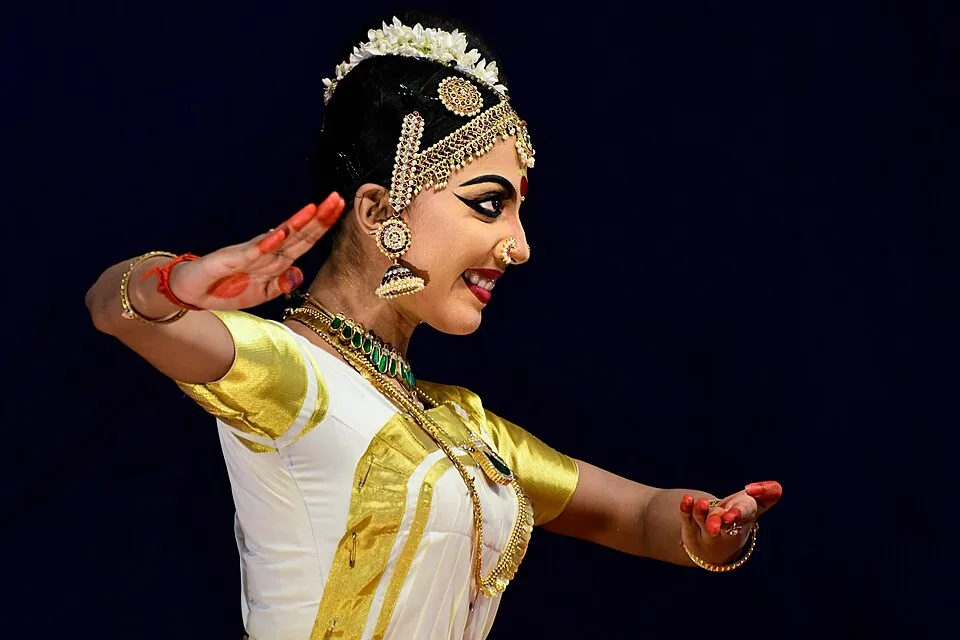
Kerala’s classical dance tradition is distinguished by flowing movement, expressive storytelling and cream-and-gold costume. Its controlled softness is quite different from Kathakali’s theatrical scale.
Look for announced dance festivals and cultural-institution programmes; performances are not available on demand everywhere.
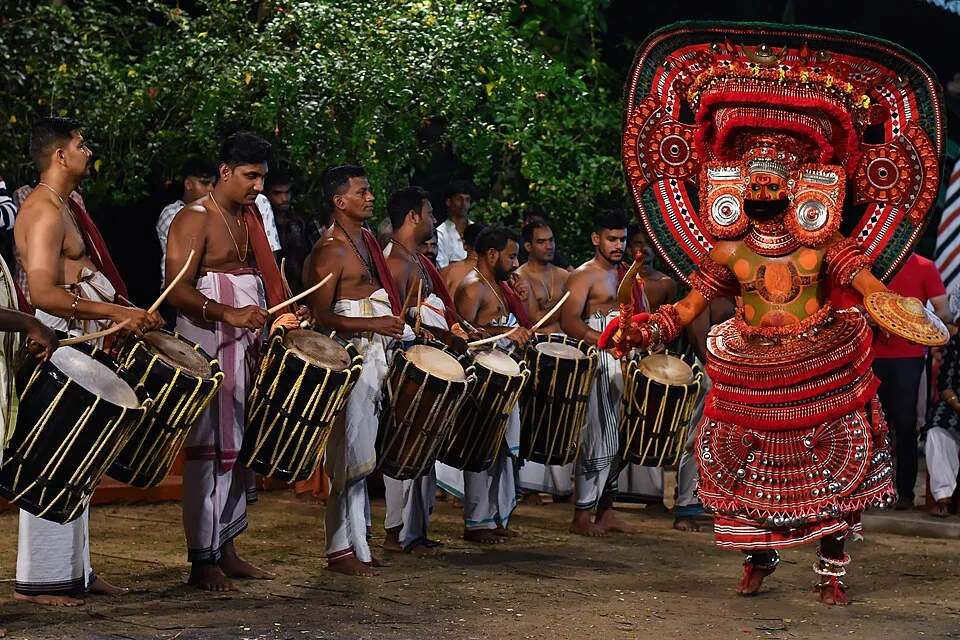
A living ritual tradition of northern Kerala, in which costume, music and movement are inseparable from community worship. The performer’s role has sacred significance for devotees.
Ask a local host about permitted visits to a Kannur or Kasaragod shrine. Follow its photography rules and never interrupt a ritual.
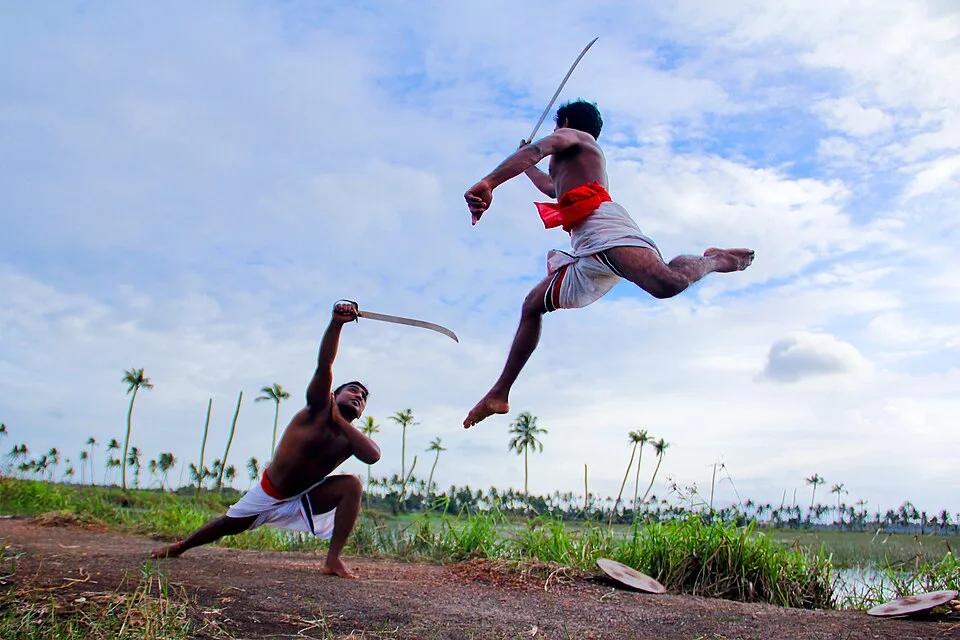
Kerala’s martial tradition develops balance, flexibility, footwork and disciplined sequences, sometimes with weapons. A demonstration is an introduction to a practice learned through sustained training.
Arrange a visit to an established kalari or cultural venue. Participation requires instruction and suitable supervision.
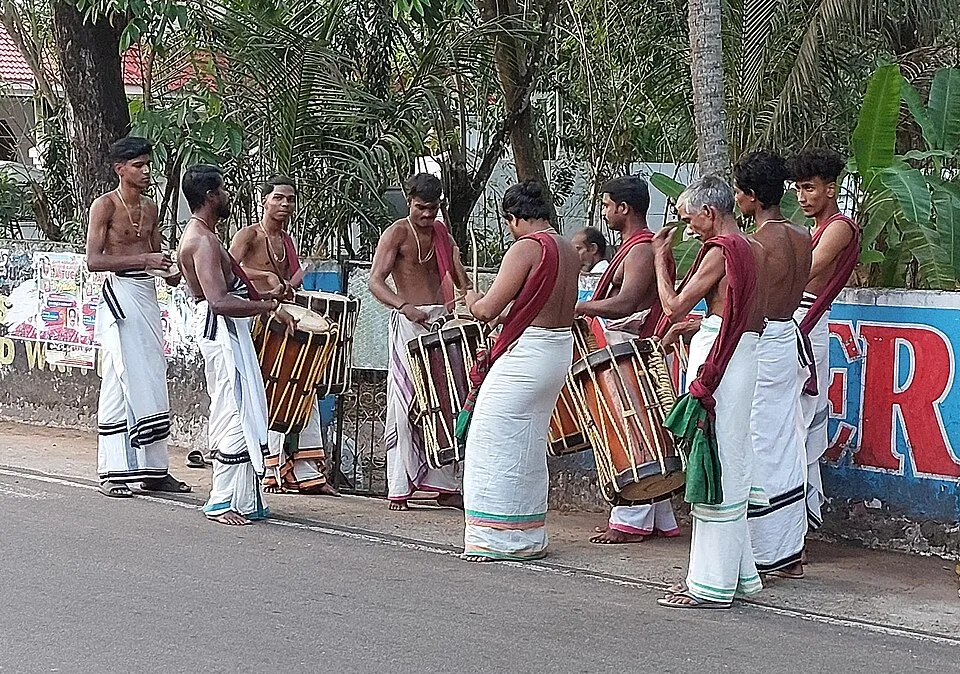
Layered percussion builds through rhythmic patterns, centred on the chenda drum. Ensembles are integral to many temple festivals and other cultural gatherings.
Listen at an announced festival or concert. Keep a respectful distance from processions and consider ear protection.
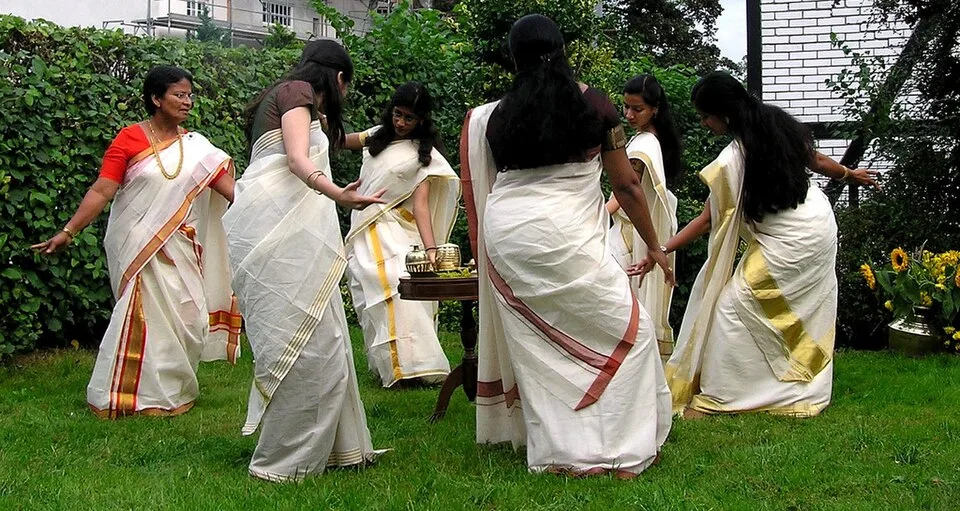
Also called Thiruvathirakali or Kaikottikali, this group dance is associated with women moving rhythmically in a circle, often around a lamp. Shared timing and song are central.
Look for community cultural events and Onam programmes; ask before photographing participants.
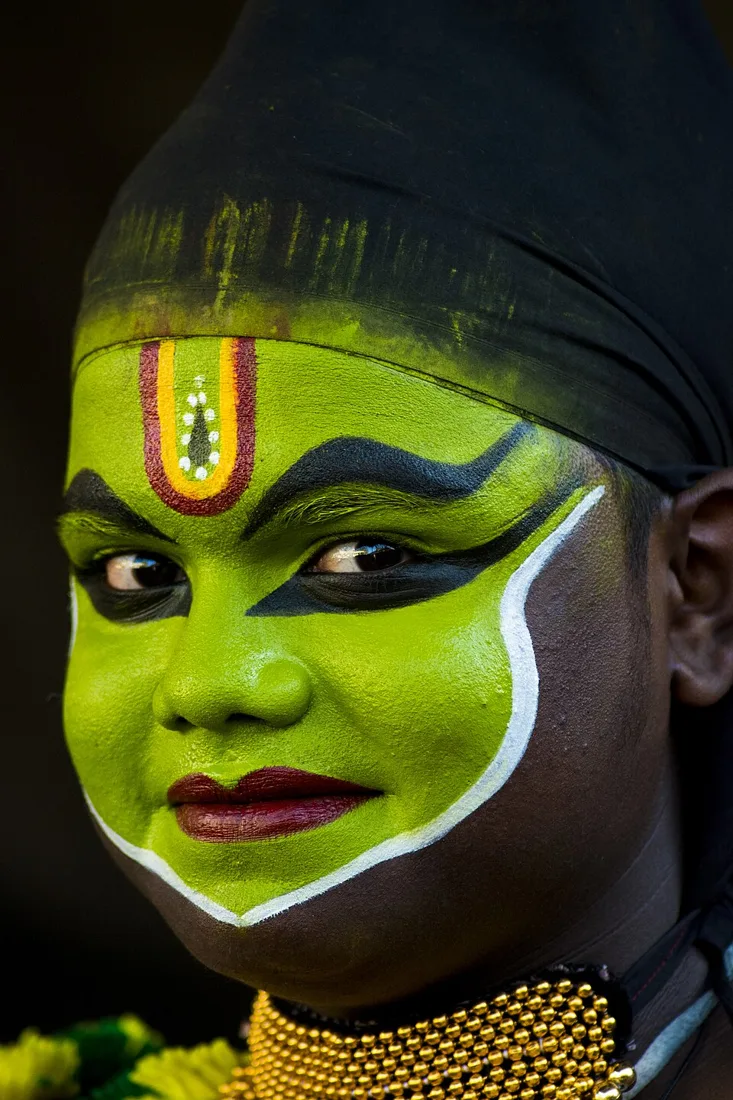
A solo storytelling form linked to poet Kunchan Nambiar, combining movement, Malayalam verse and satire. An explanation of the story helps non-Malayalam speakers appreciate its humour.
Check temple-festival and cultural-stage schedules; an interpreter or introductory programme can add context.
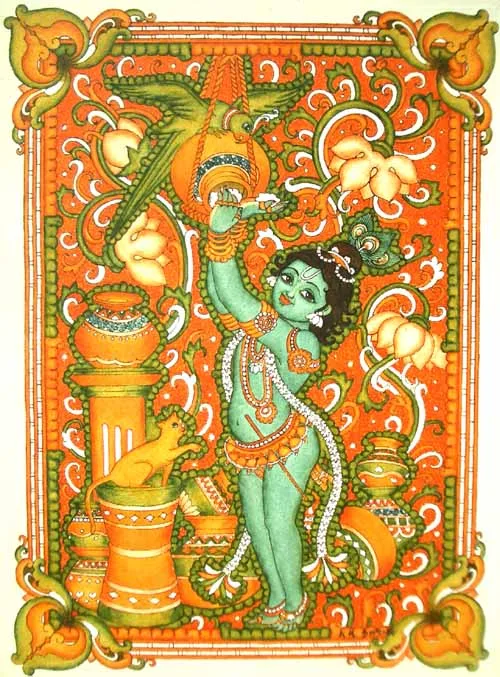
Wall-painting traditions use expressive figures and richly coloured compositions, often drawing on sacred narratives. Contemporary artists also work on portable surfaces.
Visit permitted palace or temple galleries, or an artist’s studio. Respect restrictions on flash and photography.
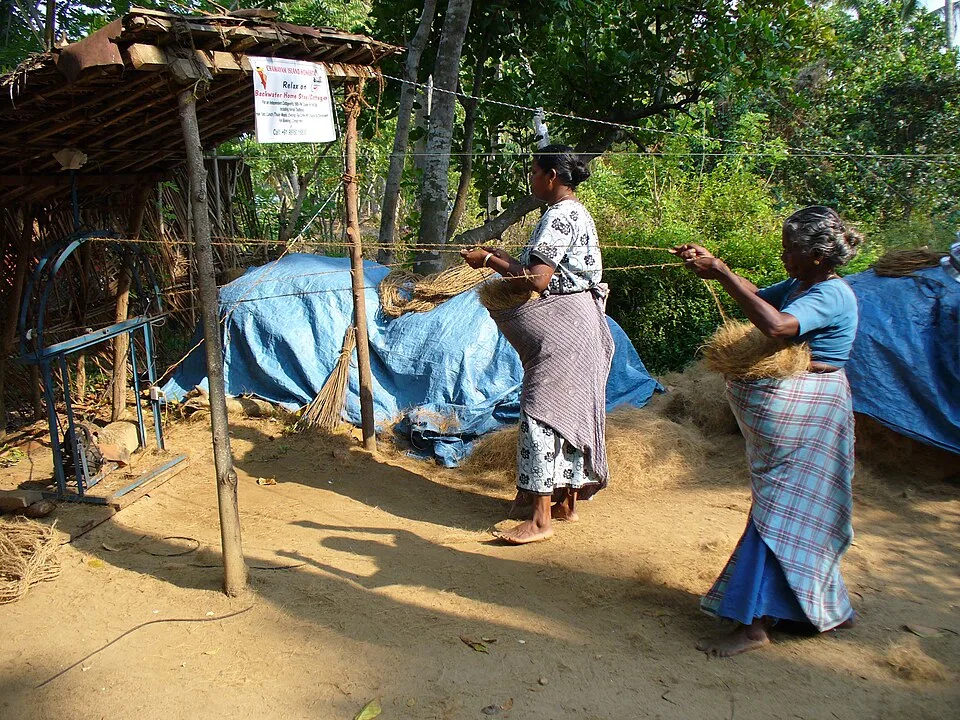
Coir work, handloom textiles, woodcraft and metalwork connect materials with local skills. A workshop visit offers more context than buying an anonymous souvenir.
Choose a community-run visit or an established artisan outlet; pay makers fairly and ask before filming their work.
Read more: Kerala Tourism: art forms · Kerala Tourism: Kathakali · Kerala Tourism: Theyyam · Kerala Tourism: Thiruvathirakali · Kerala Tourism: visual and performing arts · Kerala Tourism: local craft traditions
Festival seasons add another layer to a visit, but exact dates and visitor arrangements change. Check the local calendar before building a trip around an event, and book accommodation early for major celebrations.
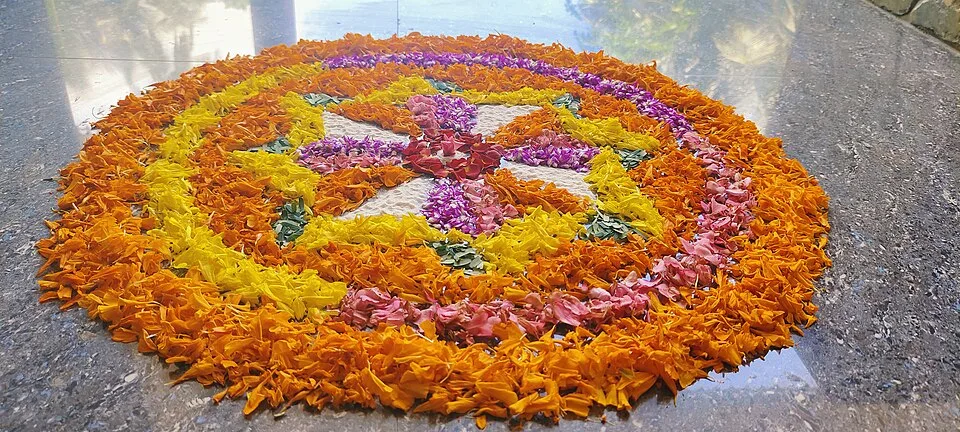
A major harvest-season celebration associated with the story of King Mahabali. Floral pookalam designs, sadya feasts, new clothes and cultural programmes bring families and communities together.
Ask before joining a household celebration; follow the host’s lead at a feast.
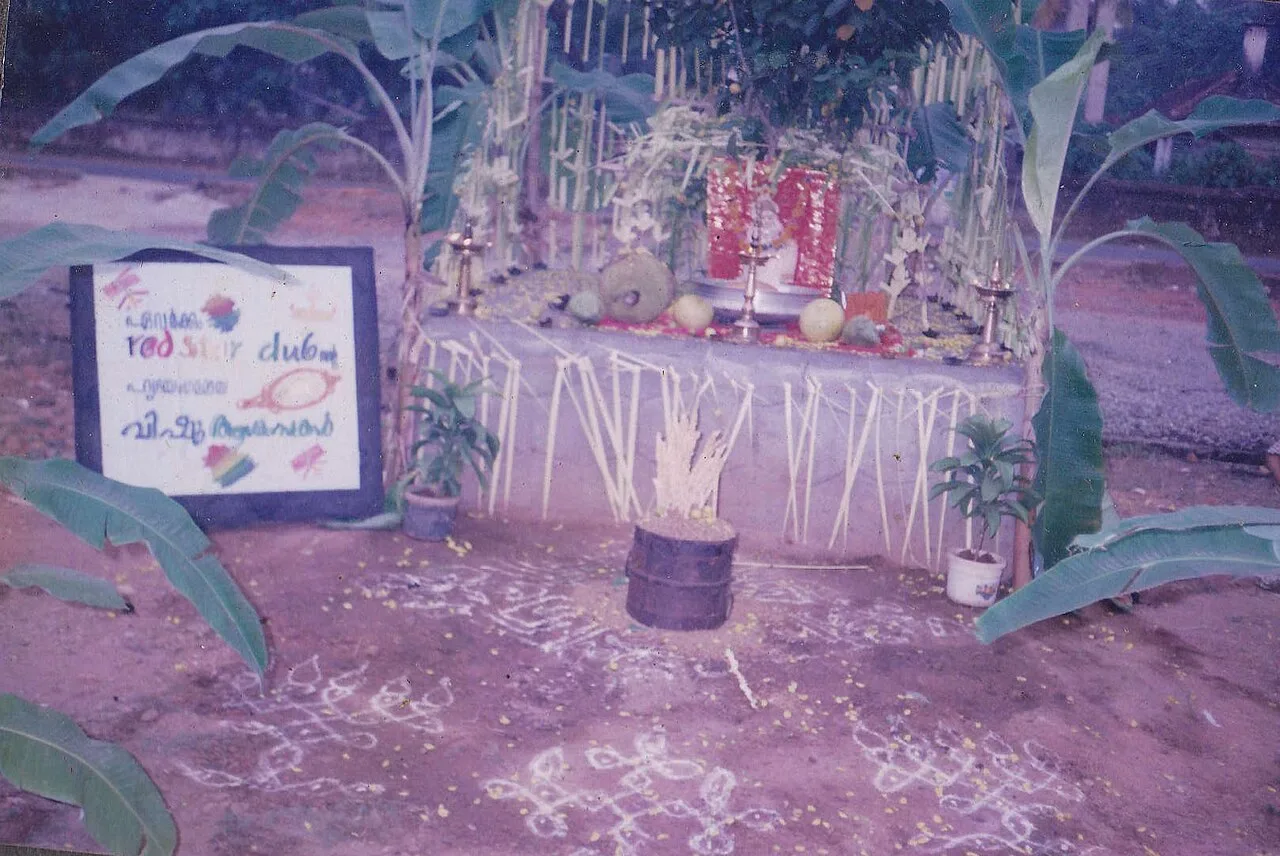
Vishukkani, an auspicious arrangement viewed at the start of the day, and gifts known as Vishukkaineetam are familiar customs. Family meals and prayer are part of many celebrations.
Private morning rituals are not public shows; visit only by invitation.
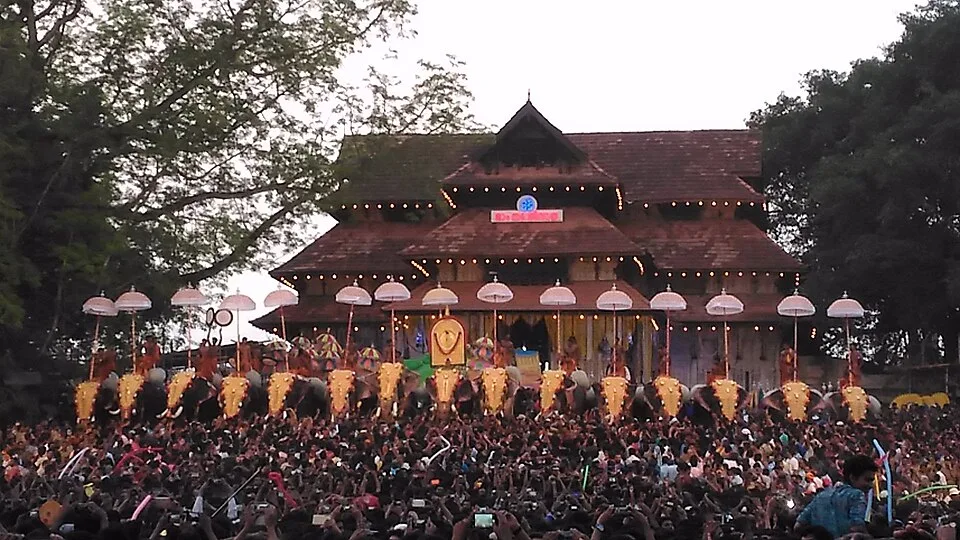
A major temple festival associated with Vadakkunnathan Temple, known for percussion ensembles, ceremonial parasols and large processions.
Expect dense crowds, loud sound and traffic changes. Observe cordons and keep distance from elephants and fireworks.
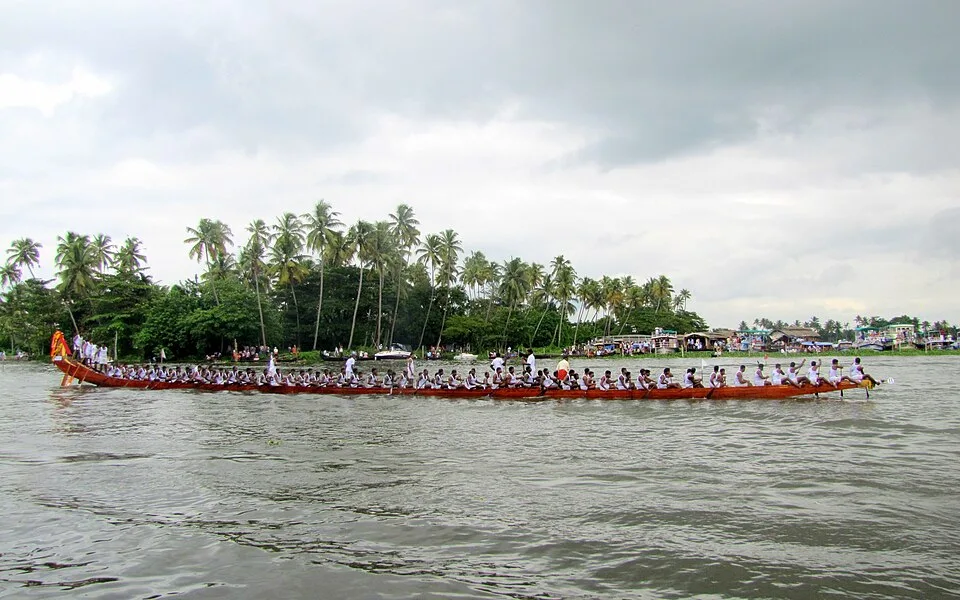
Long racing boats and coordinated rowing express the teamwork of backwater communities. Races have their own histories and local arrangements.
Use designated viewing areas or ticketed stands; do not crowd landing places.
Church services, illuminated stars, cakes and family gatherings are familiar in Kerala’s Christian communities, with celebrations also visible in towns and neighbourhoods.
Services remain acts of worship; ask about visitor access and photography.
Eid al-Fitr follows Ramadan; Eid al-Adha is a separate celebration. Prayer, charity and shared meals are important, with regional food traditions varying by household.
Respect prayer times and mosque entry rules; follow invitations rather than assuming access.
Each temple has its own observances, processions and music. There is no single festival programme that represents every community.
Dress requirements and entry restrictions vary, including restrictions on non-Hindus at some temples.
Arts festivals, village gatherings, church feasts and community events offer smaller-scale encounters with local life.
Check the venue’s current programme and support local performers and makers fairly.
Read more: Kerala Tourism: festival directory · Kerala Tourism: festival traditions · Kerala Tourism: Onam
The Western Ghats are internationally recognised for biodiversity, with forests, grasslands and species found only in this region. Protected areas are places of conservation first: access, routes and group sizes are managed accordingly.
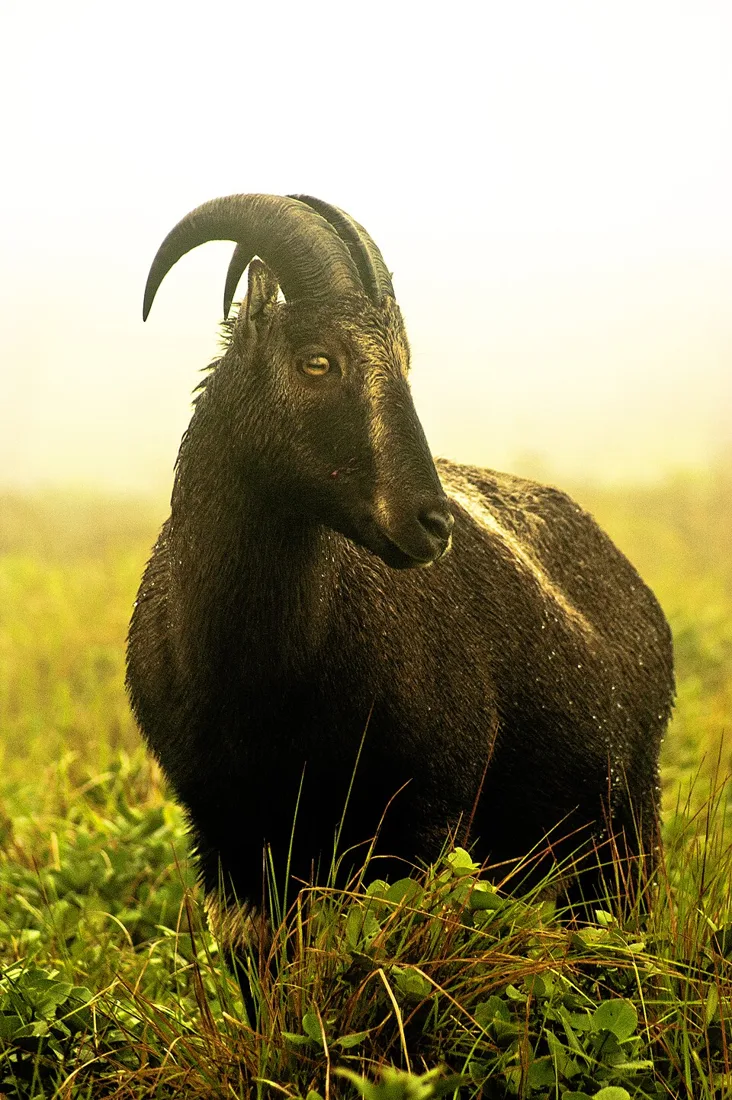
Birdwatching around wetlands and forest edges can reward patient visitors. Waterfalls are especially dramatic after rain, but slippery paths, flash floods and restrictions require caution. Stay on approved trails, avoid feeding animals, keep noise low and leave no litter. A tiger reserve visit does not guarantee seeing a tiger—or any particular animal.
Read more: UNESCO: Western Ghats · Periyar Tiger Reserve: visitor information · Eravikulam National Park · Kerala Tourism: Silent Valley · Kerala Tourism: Wayanad
Choose a route, not a race. These places span the length of Kerala; nearby names on a map can still be separated by hours of travel.
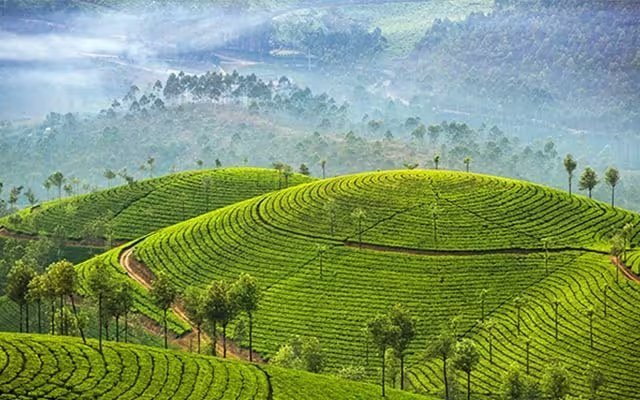
Tea-covered slopes, cool mornings and winding mountain roads make Munnar a natural choice for a slower hill stay.
Look for: Tea landscapes, tea museum visits, Eravikulam area.
Hills & teaAsk about Munnar →
Known also as Alleppey, this is a familiar starting point for houseboats and canal-side village journeys.
Look for: Houseboat cruises, canals, Alappuzha beach.
Water & village lifeAsk about Alappuzha →On Vembanad Lake, Kumarakom pairs waterside stays with birdwatching and community-led village experiences.
Look for: Lake cruises, bird sanctuary, local craft visits.
Lakeside relaxationAsk about Kumarakom →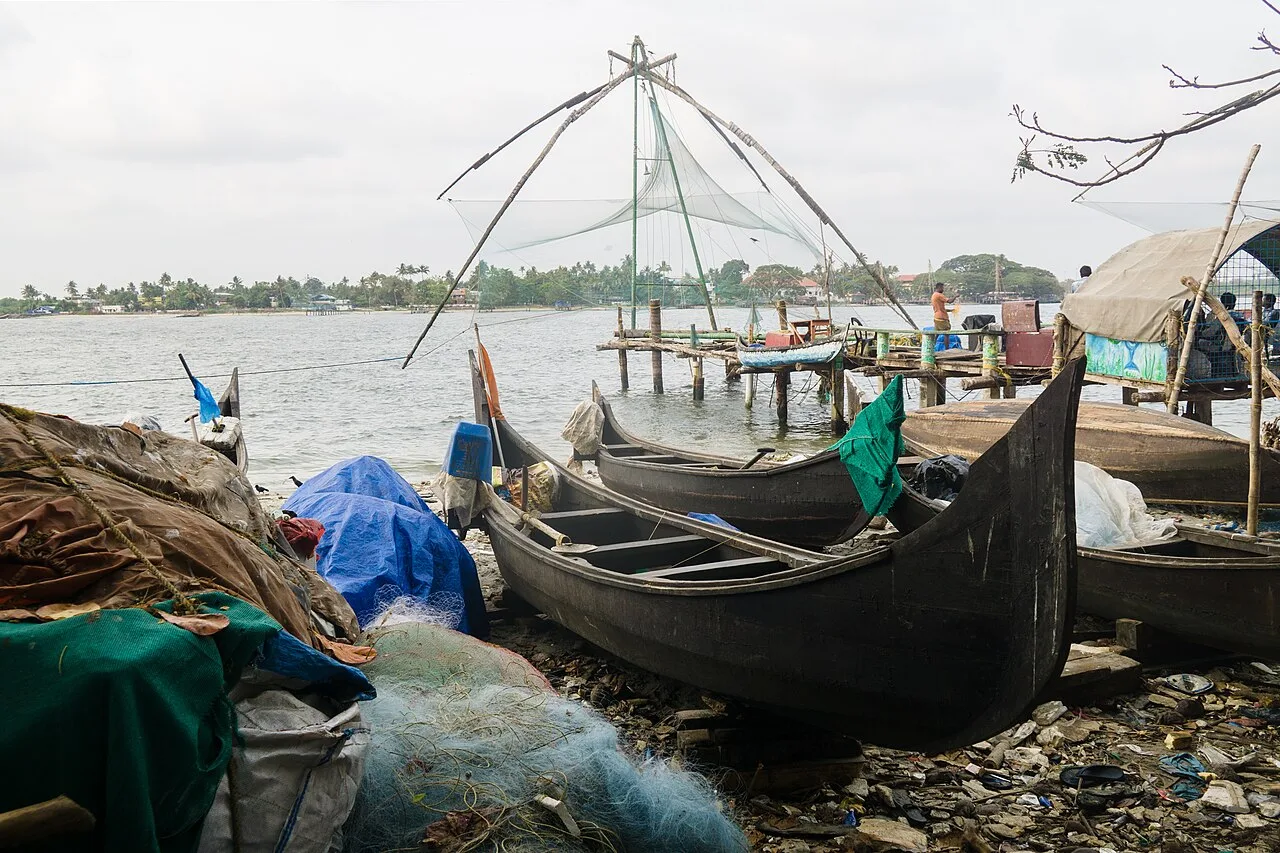
Fort Kochi and Mattancherry reward walking, with trading histories, waterfront streets and places of worship close together.
Look for: Fishing nets, historic streets, Mattancherry Palace.
History & cultureAsk about Kochi →
A large hill district of forests, farms and scattered attractions. Choose your base carefully rather than treating it as one compact town.
Look for: Edakkal caves, forest visits, plantation landscapes.
Forests & rural staysAsk about Wayanad →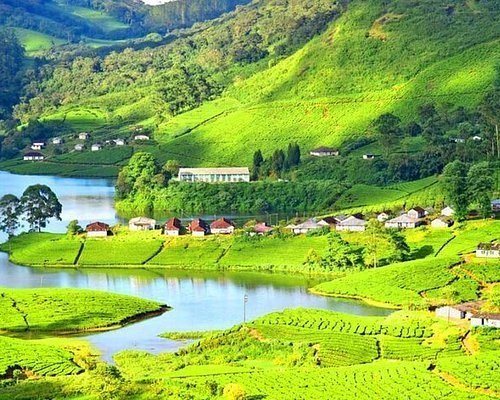
The town near Periyar is a base for authorised reserve activities and guided walks through spice-growing country.
Look for: Periyar programmes, spice plantations, nature walks.
Wildlife & spicesAsk about Thekkady →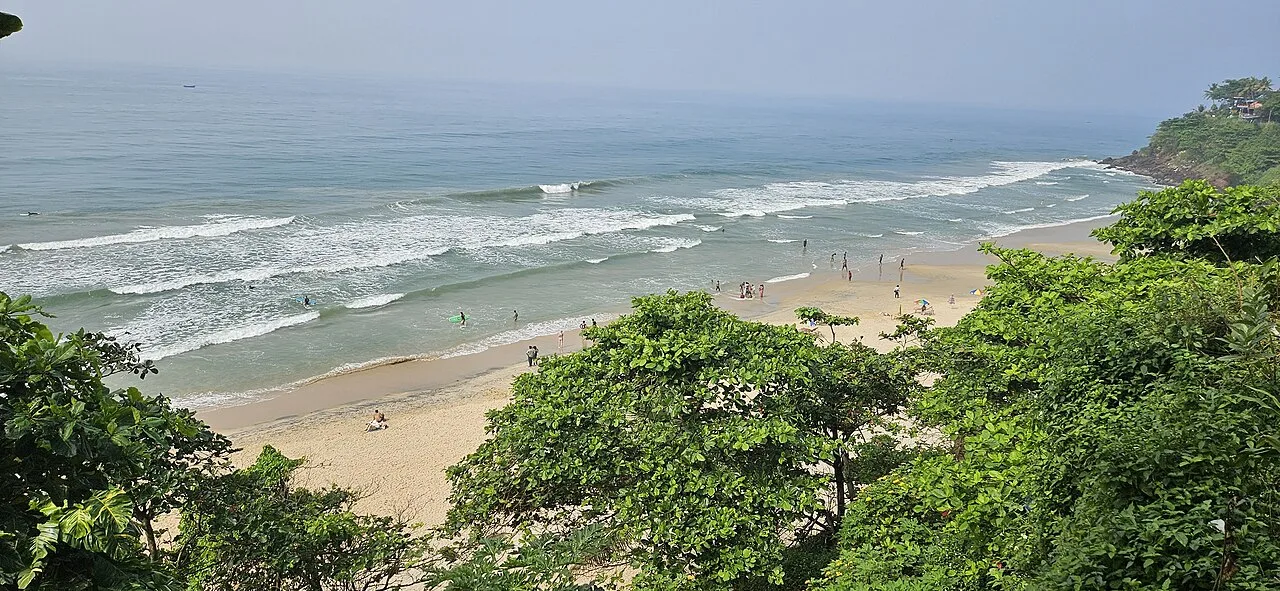
A dramatic cliff-backed coast with sea views, cafés and nearby spiritual heritage. Allow time simply to walk and watch the light change.
Look for: Cliff walks, beach viewpoints, Janardanaswamy area.
Coast & slow daysAsk about Varkala →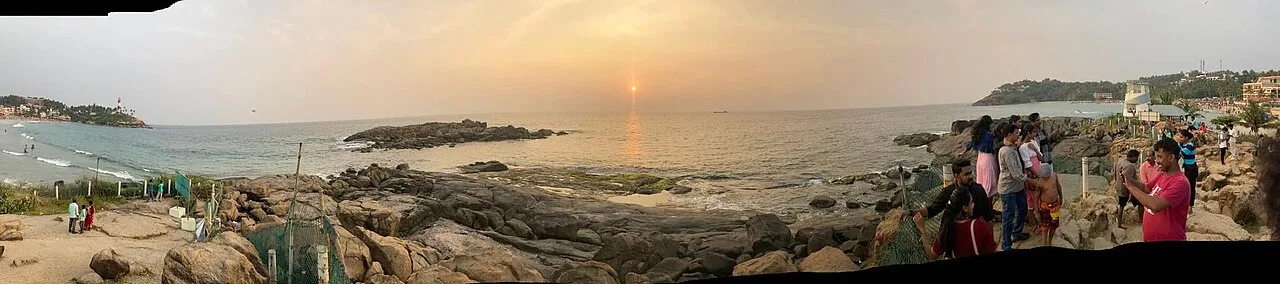
Curving beaches and the lighthouse headland offer a coastal stay within reach of Kerala’s capital.
Look for: Lighthouse Beach, seafront walks, nearby villages.
Beach holidaysAsk about Kovalam →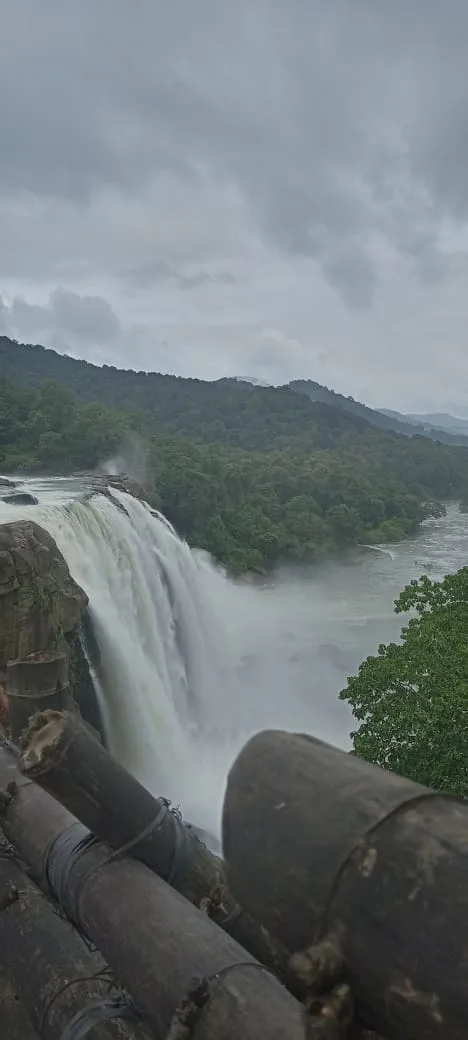
Forest-fringed cascades make a memorable nature outing. Viewpoints, paths and access depend on water levels and local instructions.
Look for: Athirappilly falls, Vazhachal area.
Waterfalls & sceneryAsk about Athirappilly →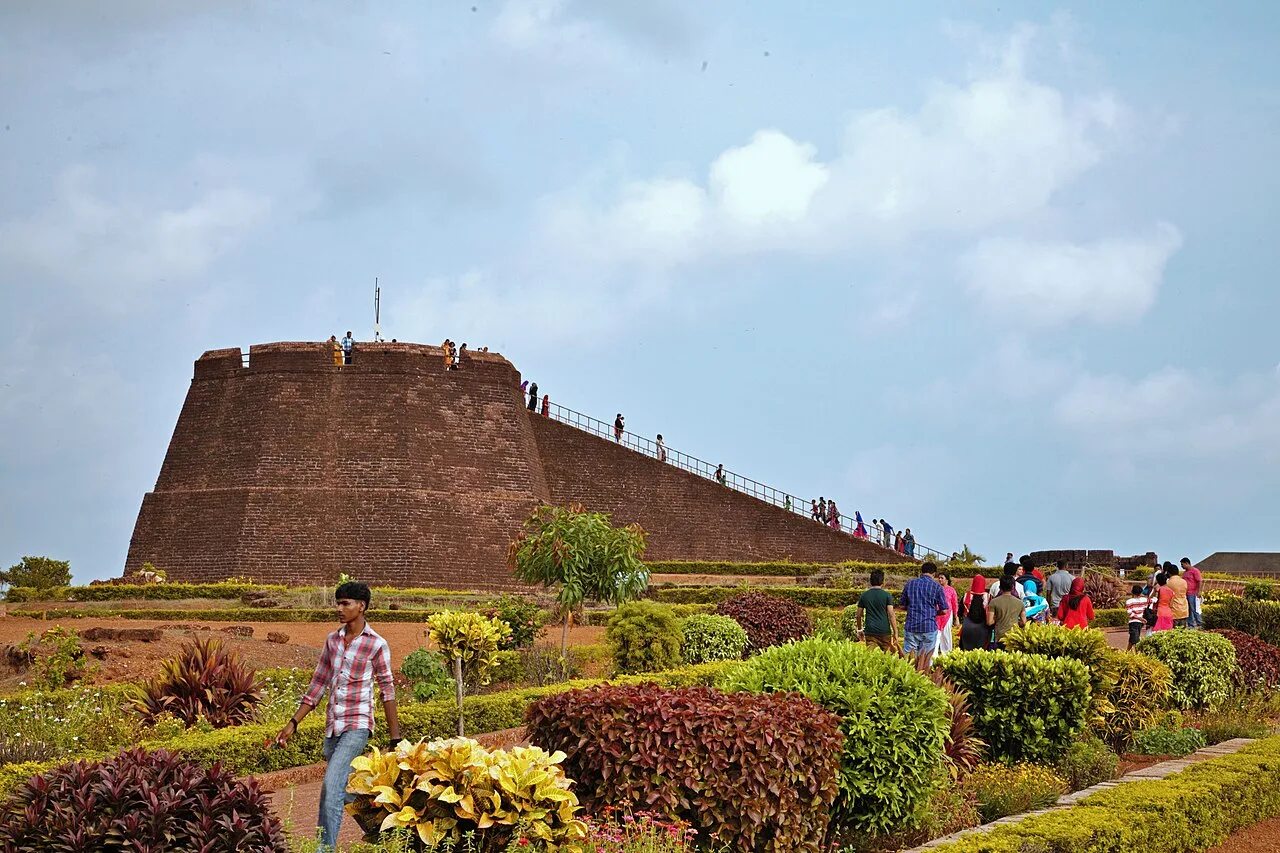
A laterite fort overlooking the Arabian Sea gives this northern coastal destination its distinctive profile.
Look for: Bekal Fort, sea views, nearby beaches.
Fort & coastlineAsk about Bekal →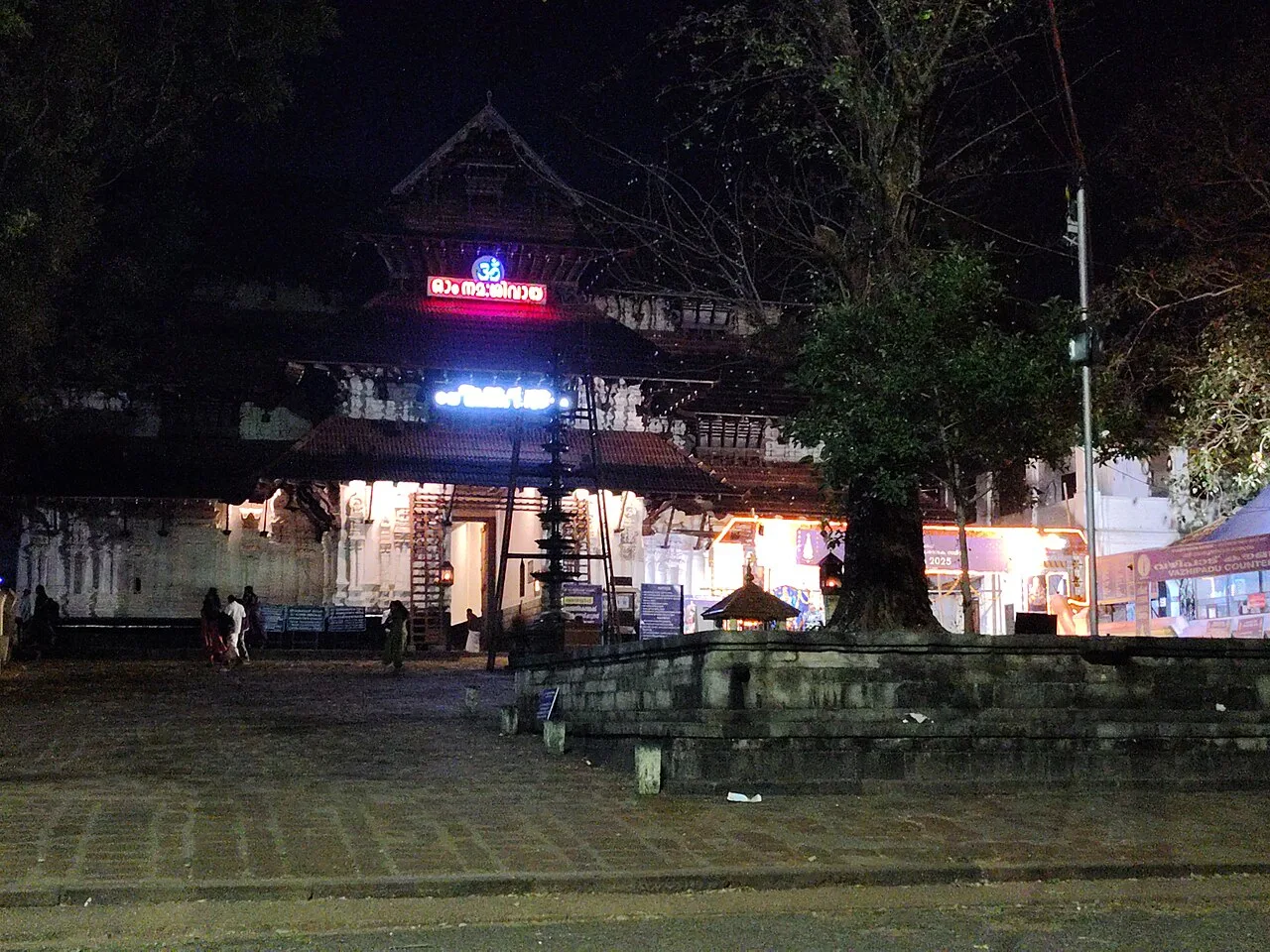
A city closely associated with performing arts, religious heritage and the celebrated Pooram festival.
Look for: Vadakkunnathan surroundings, museums, cultural programmes.
Arts & heritageAsk about Thrissur →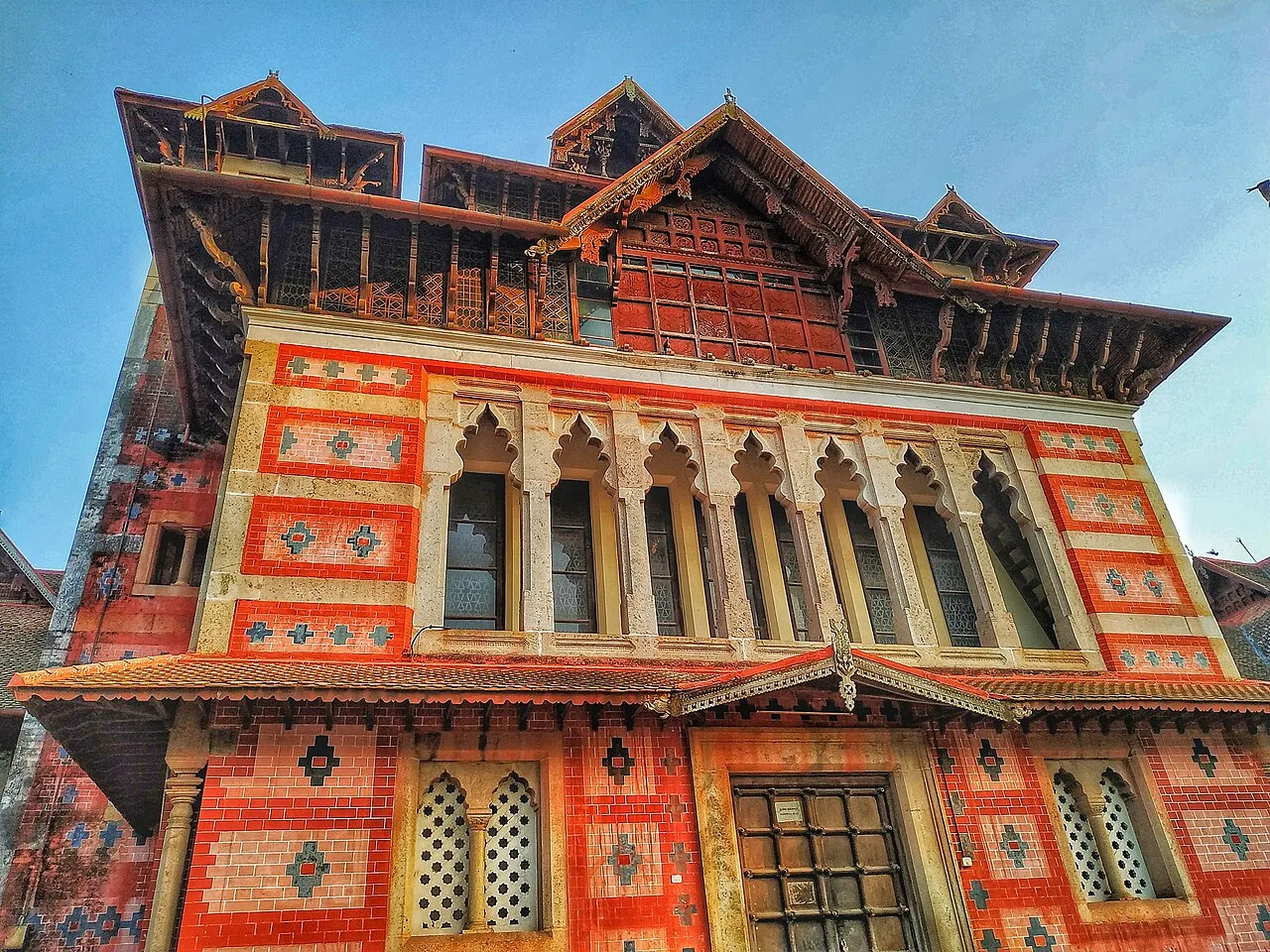
Kerala’s capital combines museums, historic architecture and access to the southern coast. Plan around attraction opening days.
Look for: Napier Museum, heritage precincts, nearby Kovalam.
City & heritageAsk about Thiruvananthapuram →Read more: Kerala Tourism: destinations · Kerala Tourism: Munnar · Kerala Tourism: Kumarakom · Kerala Tourism: Fort Kochi · Kerala Tourism: Wayanad · Kerala Tourism: Varkala · Kerala Tourism: Kovalam · Kerala Tourism: Bekal · Kerala Tourism: Thrissur
Some of the best things to do in Kerala are small, well-paced encounters. Choose experiences that fit your interests, mobility and season, and let local hosts set appropriate boundaries.
Choose a day cruise or overnight stay, confirm the route and inclusions, and ask about lifejackets, waste handling and where the boat moors.
Join an authorised estate or tea-museum visit. Tea fields are working landscapes; ask before entering private land or photographing workers.
Learn to recognise pepper, cardamom and other crops with a local guide. What you see depends on the farm, altitude and season.
Book a hands-on class or home-hosted meal, and discuss allergies, vegetarian preferences and spice levels before confirming.
A community-led itinerary can introduce coir work, weaving or local food while ensuring residents choose how visitors participate.
Start with a short explanation of the art form. Distinguish a ticketed stage programme from a sacred ritual with its own rules.
Smaller boats reach quiet canals. Use a responsible operator, wear a lifejacket and respect household privacy along the banks.
For relaxation, choose a reputable provider and discuss suitability. For treatment, seek qualified clinical advice; no medical outcome is promised.
Plan unhurried time near the sea. Waves and currents can be dangerous: follow local flags and lifeguards, even on a sunny day.
Use authorised guides and permitted routes. Terrain, monsoon restrictions and protected-area rules determine what is possible.
Allow time for changing light, rather than rushing between viewpoints. Ask consent for portraits and check restrictions at shrines and reserves.
Read more: Kerala Responsible Tourism destinations · Kerala Tourism: visitor essentials · Periyar Tiger Reserve: visitor information · UK FCDO: health information for India
There is no single weather pattern for every Kerala holiday. Altitude, coast, district and year all matter. Use this as a planning overview, then check forecasts and local alerts before travel.
Generally pleasant for many sightseeing activities, with warmer coastal days and cooler hill evenings. October can still bring substantial rain. Popular holiday periods can be busy.
A useful first-visit windowMany lowland areas are hotter and humid. Start sightseeing early, take midday breaks and allow drinking-water stops. Hill stays can offer a different climate, though conditions vary.
Plan around the heatThe southwest monsoon brings lush scenery and significant rainfall. Rough seas, flooded roads or closed trails can alter plans. Choose flexible bookings and follow weather warnings.
Green scenery · flexible plansRead more: Kerala Tourism: visitor essentials · Kerala at a glance — Kerala Forest Department
Choose your airport around your route rather than starting with the cheapest fare alone. International and domestic connections vary by airline and season; check current schedules before booking accommodation.
A useful gateway for Kochi, the central backwaters and routes towards Munnar.
Airport information ↗Serves Thiruvananthapuram and the southern coast, including Kovalam and Varkala.
Airport information ↗A gateway for Kozhikode and parts of northern Kerala, with onward road travel into the hills.
Airport information ↗Useful for Kannur and northern Kerala. Compare the onward transfer with your chosen destination.
Airport information ↗Railways connect many coastal towns with the rest of India; hill destinations usually need a road transfer from the station. State and private buses, taxis, auto-rickshaws and local transport serve different needs. Kochi also has urban rail and water-based services.
A pre-arranged car with a driver can simplify a multi-stop holiday. Agree on the route, vehicle, stops and inclusions beforehand. Domestic flights can connect Kerala with other Indian regions, but a flight is not always the best way to move within the state. Allow generous time for airport transfers and hill roads.
Read more: Cochin International Airport · Thiruvananthapuram International Airport · Airports Authority of India: Calicut · Kannur International Airport · Kerala Tourism: visitor essentials
A little preparation makes the journey easier. The notes below are general planning guidance; current official requirements and your individual needs take priority.
Rules depend on your nationality, passport and trip purpose. Check validity, visa eligibility, permitted arrival points and any arrival formalities using the official Indian visa portal or your Indian mission. A travel quotation is not visa approval.
Official Indian visa information ↗The currency is the Indian rupee. Carry a mix of payment options and some smaller cash for local purchases. Cards are useful in many hotels and restaurants; do not assume every overseas card or visitor payment app will work everywhere.
Ask an authorised provider about current visitor SIM or eSIM eligibility and identification requirements. Coverage varies in hills and remote areas. Save your itinerary, hotel address and maps offline.
Pack breathable clothing, sun protection and practical footwear. Add rain protection for wet months and a light layer for hills or air-conditioned transport. Discuss luggage limits before boat or small-vehicle transfers.
Dress and access rules are site-specific. Remove footwear where required, ask before photographing, and avoid entering ritual areas without permission. Some temples restrict entry to Hindus.
Choose reliably treated or sealed drinking water and freshly prepared food. Discuss personal health needs and travel vaccinations with a qualified clinician before departure. Carry essential medicines with appropriate documentation.
Current health guidance ↗Check your own government’s India travel advice and buy insurance suited to your activities and medical needs. Use reputable operators, secure valuables and heed weather, sea and wildlife warnings. India’s emergency number is 112.
Read current travel advice ↗Use refill facilities where the water is safe, minimise disposable plastics, support local guides and makers, and ask consent for photographs. Do not buy wildlife products or disturb animals for a picture.
Heritage buildings, boats and rural paths vary in accessibility. Share mobility, dietary and other needs before booking so specific rooms, vehicles and activities can be checked.
Read more: Government of India: official e-Visa portal · UK FCDO: India travel advice · UK FCDO: health information for India · Kerala Tourism: visitor essentials · Kerala Responsible Tourism destinations
Three ways to start planning—not fixed packages.
These sample itineraries favour a manageable central or southern route. Driving times below are broad planning estimates, not live navigation: traffic, stops, weather and your hotel location can add time. Confirm timings before flights or other fixed departures.
Base: Kochi. A compact introduction without changing hotels every night.
Keep the final outing close to your departure route. A distant backwater cruise is not a sensible add-on before an early flight.
This is a transfer-heavy five-day option. Add a night if you want an overnight houseboat or a relaxed final day.
Prefer wildlife to beach time? Ask Travelora to redesign the route around Thekkady instead of adding it to an already full week.
Yes. Kerala is an Indian state on the country’s southwestern coast, between the Arabian Sea and the Western Ghats.
Many international visitors travel here, but no destination is risk-free. Check your government’s current India advice, use reputable transport and accommodation, and follow local weather and swimming warnings.
Malayalam is the state’s official language. English is often used in tourism settings, but fluency varies. A friendly “Namaskaram” is a useful greeting.
Backwaters, tea-covered hills, coastal landscapes, regional food and distinctive art forms such as Kathakali are among its best-known attractions.
October to February often suits a first sightseeing trip. October can still be wet; hill weather differs from the coast. Monsoon travel needs flexible plans and attention to local alerts.
Three days can introduce one region. Five to seven days allow a carefully chosen route; ten or more gives greater room for the north, beaches and slower stays. Avoid trying to cover the whole state in a week.
Yes. A car with a driver is a practical option for a multi-stop holiday. Traffic and winding hill roads make travel slower than map distances suggest. Confirm vehicle, luggage space and driver arrangements.
It can be, especially with shorter transfers and a mix of activities and rest. Check child seats, boat lifejackets, food preferences and access needs with providers in advance.
Light, breathable clothes work well in warm lowlands; carry a layer for the hills and rain protection when needed. Religious sites may require particular clothing or restrict entry. Follow local instructions.
Yes. Vegetarian dishes are widespread, including many sadya dishes and breakfast options. Vegetarian does not automatically mean vegan or allergy-safe; confirm ingredients and preparation.
Yes, subject to availability and operating conditions. Compare day and overnight options and confirm safety equipment, route, meals, air-conditioning hours and cancellation terms.
Contact Travelora with your dates, arrival point, group size, interests and budget. The team can discuss an itinerary and provide a proposal; arrangements depend on availability and confirmation.
Requirements depend on nationality, passport and purpose of travel. Use the official Indian visa portal or your Indian mission to check current rules, eligibility, entry points and documentation.
Usually it is better to choose one corridor. Adding Wayanad or Bekal to a southern route can mean long transfers; extra days or a different airport may make the journey more comfortable.
Read more: Kerala Tourism: visitor essentials · Government of India: official e-Visa portal · UK FCDO: India travel advice
Ready to discover God's Own Country? Let Travelora create a Kerala experience designed around your interests, travel dates and budget.
Travelora Tours & Travels · Peramangalam, Thrissur, Kerala, India
travelora.co.in@gmail.com
Explore Travelora’s destination guides and ask for a customised itinerary.
Original visitor-focused copy, reviewed on 19 October 2026. Official sources are linked alongside the relevant sections. Sample routes are planning suggestions, not fixed packages or verified live journey times. Recheck entry rules, weather, opening times and transport before travelling.